A 2018 Peugeot Partner III arrived at the workshop displaying a general AdBlue system warning and logging a single P20F6 fault code. The Bosch EDC17C60 engine control unit flagged a pressure drop in the DeNOx circuit, presenting a diagnostic path that goes beyond simply replacing the fluid.
Urea Crystallization at the Injector Seat
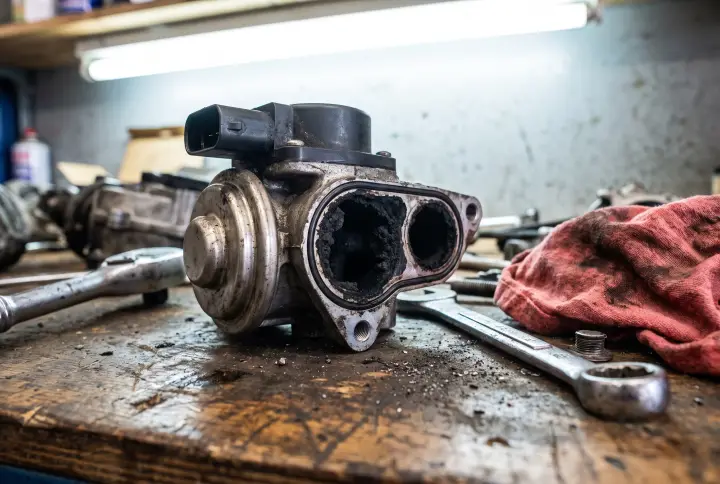
Our diagnostic platform ranked urea crystallization as the most probable cause, evaluating it at an 85 percent likelihood. On the PSA DV5RC engine, long periods of inactivity or predominantly short trips cause the AdBlue fluid to dry and form hard white crystals around the injector nozzle. These deposits physically prevent the injector needle from sealing against its seat.
When the engine control module performs its automated pressure hold test, the system expects to maintain 5 to 6 bar of pressure. If crystals block the seal, fluid seeps past the needle into the exhaust, causing a continuous pressure drop. The control unit interprets this loss as an injector stuck in the open position. The first physical tests should be removing the injector for a visual inspection, followed by cleaning the nozzle with warm distilled water and performing a flow test using a diagnostic tool.
Internal Injector Mechanical Failures
If the nozzle is completely clean, the platform ranks a mechanical fault within the injector itself at 75 percent. The reduction agent injector is an electromagnetic valve governed by the engine control unit. Should the internal return spring weaken or the needle seat suffer mechanical wear, the valve will fail to hold the 5 to 6 bar of feed pressure.
Even without crystal buildup, urea fluid continuously leaks into the exhaust pipe. The control unit monitors line pressure during cycles when the valve should be closed. A continuous drop forces the pump to cycle abnormally, triggering the P20F6 code. Technicians verify this by conducting a mechanical leak check under static system pressure, measuring the dosing volume over a 30 to 40 second activation period, and checking the coil resistance and supply voltage.
Tank Module and Check Valve Issues
When the injector proves structurally sound and seals properly, the fault often resides in the AdBlue tank module, a cause ranked at 55 percent. PSA BlueHDi vehicles integrate the pump, pressure sensor, heater, and check valves into a single unit. A leak in the internal check valve or pressure regulation valve inside the tank module produces the exact same pressure drop as an open injector.
PSA technical bulletin 12533 outlines that if the injector holds pressure and there are no external leaks, the root cause is internal to the tank module. This requires replacing or rebuilding the entire tank unit. The diagnostic path involves monitoring the AdBlue pressure via live data for three minutes, repeating the cycle three times, and confirming the pressure still falls when the injector is mechanically sealed.
External Leaks Along the Pressure Line
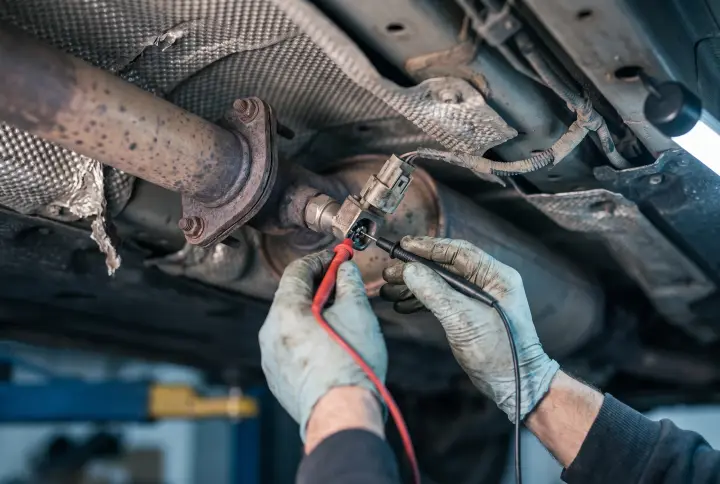
External leaks rank at 40 percent but remain a critical variable. A damaged O-ring in the quick connector at the injector or a cracked plastic line along the undercarriage allows fluid and pressure to escape. The diagnostic software logs P20F6 because it assumes the pressure loss is due to an open injector, lacking a dedicated external leak sensor to tell the difference. Checking for this involves a complete visual inspection of the line from the tank to the injector, looking for characteristic white salt accumulations, and pressurizing the system with the injector end plugged.
The Primary Takeaway
This case highlights that a P20F6 code is fundamentally a pressure loss issue, not strictly a component failure alert. Start by inspecting the injector nozzle for urea crystallization, as this is the most common reason the system fails its pressure hold test. Verifying the physical seal of the injector before ordering a costly tank module ensures the repair targets the actual point of pressure loss.
Reference pages for the codes in this article
- P20F6: what we measure for this code across real diagnostics