A 2019 Peugeot Expert III rolled into the bay triggering both the check engine and AdBlue warning lights, accompanied by a lone P20EE fault code. The customer complaint was straightforward, but this specific fault requires a structured approach. The engine control module sets this code when it calculates that the catalytic converter efficiency has fallen below the required threshold. Rather than jumping straight to replacing expensive exhaust components, our data points toward several specific failure modes for the DW10FE engine.
Injector Crystallization in the Exhaust Stream
Our diagnostic platform ranked a crystallized and clogged AdBlue injector, also known as the dosing valve, as an 80 percent probability for this fault with a medium severity. On the PSA DW10FE, which is the 2.0 BlueHDi engine, the injector sits directly in the exhaust mixing zone upstream of the SCR catalytic converter. This location exposes the component to extreme heat. When the fluid dries, it crystallizes into hard white urea lumps that block the injector nozzles.
A restricted nozzle creates a skewed or reduced spray pattern. The exhaust stream then fails to receive an adequate amount of atomized ammonia, preventing the SCR catalytic converter from reducing nitrogen oxides effectively. To confirm this, you must remove the injector and visually inspect the nozzle tip and spray holes for buildup. Follow up by performing a flow and spray pattern test using a diagnostic tool to command the actuator, catching the output in a graduated cylinder. Finally, check the pressure line between the tank and the injector for leaks or external crystallization.
Verifying Sensor Integrity
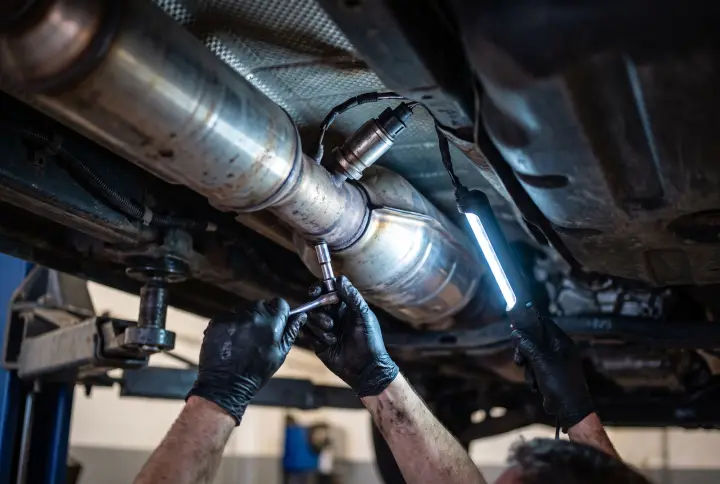
The engine control module monitors SCR efficiency by comparing the signal from the upstream NOx sensor with the downstream NOx sensor. A signal deviation or internal fault in the downstream sensor ranks as a 75 percent probability for triggering P20EE. This sensor has a limited lifespan and constantly endures moisture, chemical stress, and heavy heat cycles. As the sensor degrades, the internal element begins reporting an artificially high residual nitrogen oxide level.
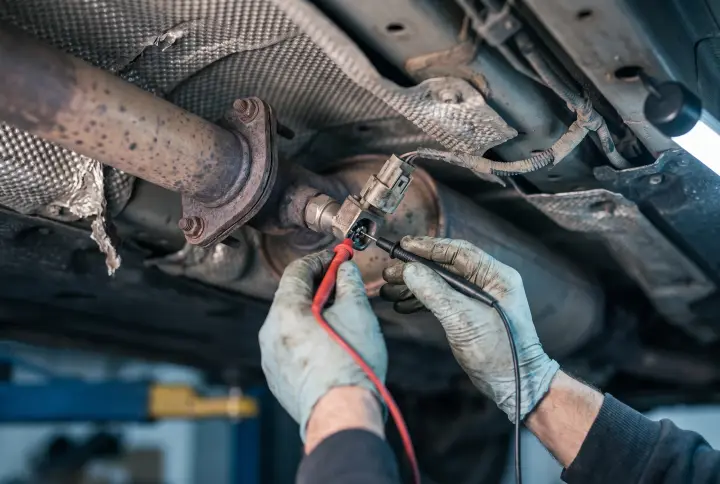
Because the control module sees an insufficient difference between the inlet and outlet readings, it assumes the catalyst has failed and logs P20EE, often without storing a separate circuit code for the sensor itself. Testing this requires taking the vehicle on a road test. Compare the real time parts per million concentration between the upstream and downstream sensors while active dosing occurs. You should also measure the supply voltage and ground at the external module connector for the sensor, and check the CAN bus communication and internal status flags using your scan tool.
Fluid Quality and Pump Pressure
Selective catalytic reduction requires standardized fluid meeting ISO 22241 specifications, which mandates a 32.5 percent urea saturation in deionized water. Contaminated, diluted, or aged fluid represents a 60 percent probability cause. If the tank contains tap water, heat degraded fluid, or incorrect chemicals like washer fluid, the system cannot release enough ammonia. The nitrogen oxides pass through unreduced, the downstream sensor detects them, and the system sets the fault despite all hardware functioning perfectly. You must measure the concentration in the tank using a digital or optical refractometer and inspect a fluid sample in a clear container for clarity, color, and oil films.
Finally, an insufficient working pressure from the pump module carries a 55 percent probability with a high severity rating. On the Peugeot Expert K0 chassis, the pump, pressure sensor, and heater exist as an integrated, sealed unit at the bottom of the additive tank behind the rear axle. The system must deliver a continuous working pressure of 4.5 to 5.5 bar, which equals 450 to 550 kPa. Worn internal pump components or crystallized check valves cause the pressure to drop. This low pressure creates oversized droplets that cannot vaporize quickly enough into ammonia. Evaluate this by reading the fluid pressure in live data at idle and during a test drive, running an active pressurization test, and inspecting all quick connectors for leaks.
Diagnostic Takeaway
Before condemning a sensor or a pump module on a vehicle displaying P20EE, always start with the fundamentals. Extract a fluid sample to test with a refractometer and pull the dosing valve for a visual inspection. Ruling out poor fluid quality and mechanical nozzle blockage early in the process prevents costly misdiagnosis and keeps the repair focused on the actual root cause.
Reference pages for the codes in this article
- P20EE: what we measure for this code across real diagnostics