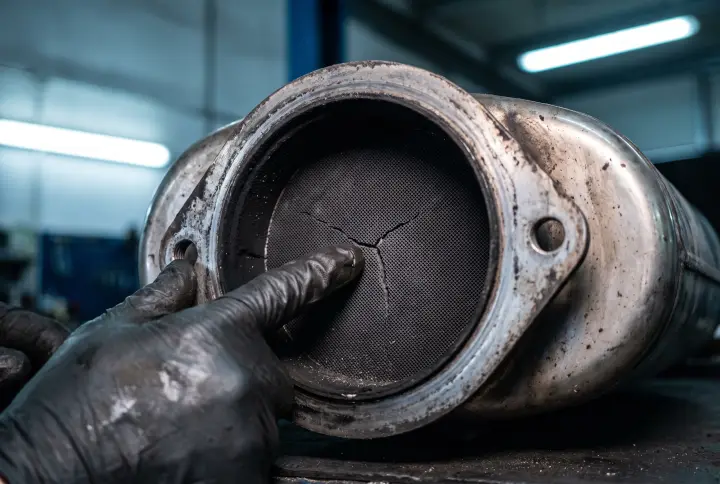
A 2014 Opel Vivaro (B) II arrived at a Swedish workshop in limp mode, pulling four different codes: P0471, P2002, P0380, and P253F. The combination of exhaust pressure, glow plug, and oil dilution faults points directly to an aborted regeneration cycle cascading through the emissions system.
The blocked exhaust pressure sensor pipe
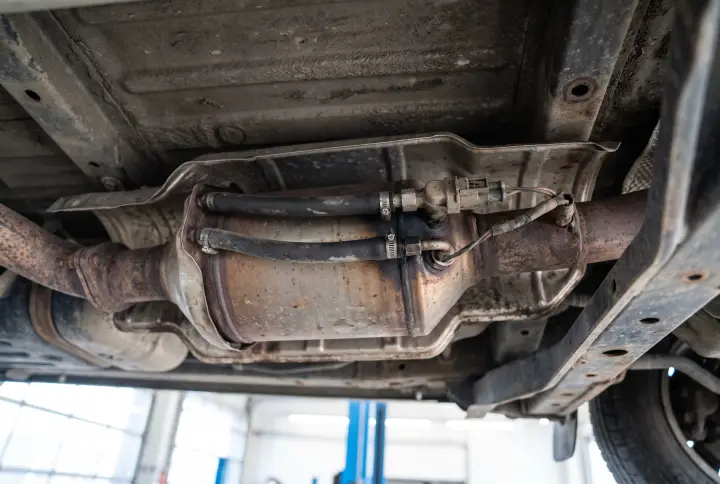
Our diagnostic platform analyzed the combination of codes for the 1.6 CDTI R9M engine. It ranked a clogged pipe or connection channel to the exhaust pressure sensor as the most likely root cause at 85 percent. On this specific engine, hard-packed soot and carbon in the narrow metal pipe prevent exhaust pressure from reaching the sensor's measurement chamber.
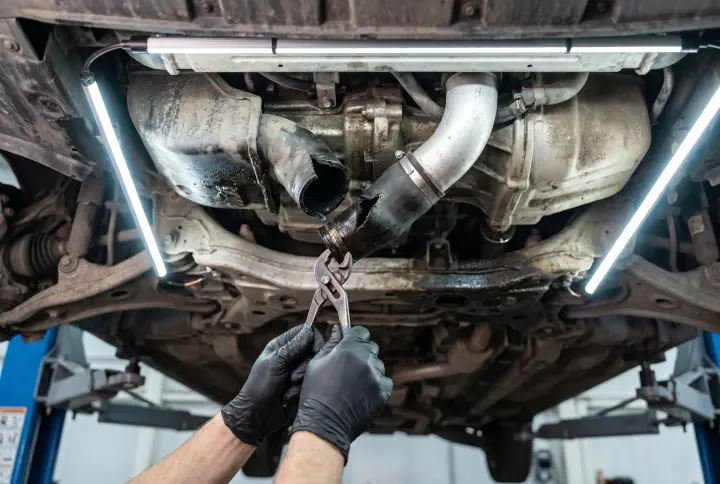
When the engine control unit performs a rationality check at key-on, engine-off (KOEO), it compares exhaust pressure with atmospheric and boost pressures. If the signal is static, P0471 sets immediately and triggers limp mode. The blocked measurement also prevents the system from calculating DPF load correctly, contributing directly to P2002. The suggested diagnostic step is to dismantle and mechanically clear the metal pipe between the manifold and the sensor, blowing it through with compressed air and brake cleaner.
Failed glow plugs halting regeneration
The presence of P0380 adds a critical layer to this diagnosis. The platform ranked a defective glow plug or control circuit at a 65 percent probability. On the R9M engine, glow plugs are not just for cold starts. They are an integrated part of the emissions system, activated during DPF regeneration to maintain combustion chamber temperatures.
An open circuit, often an open resistance in one of the plugs or burned outputs in the relay module, will block the regeneration process. The correct diagnostic path is to measure the resistance of all four glow plugs against the engine block using a multimeter, and perform an actuation test of the relay via the diagnostic tool.
Oil dilution from aborted cycles
The final piece of the puzzle is P253F, indicating degraded engine oil. This is the direct result of the aborted DPF regenerations caused by the blocked pressure sensor and failed glow plugs. During regeneration, late fuel injection raises exhaust temperatures. When the cycle aborts, unburned diesel washes down the cylinder walls and dilutes the engine oil.
Once dilution exceeds the allowable limit, the ECU forces limp mode to protect the crank bearings from failure and prevent diesel runaway.
What to check first
Start by removing the metal pipe to the exhaust pressure sensor and checking for hard carbon buildup. Follow this by testing the glow plug resistance. You cannot clear the P253F code permanently without performing an oil and filter change using a Low-SAPS oil, followed by a manual reset of the oil quality counter.