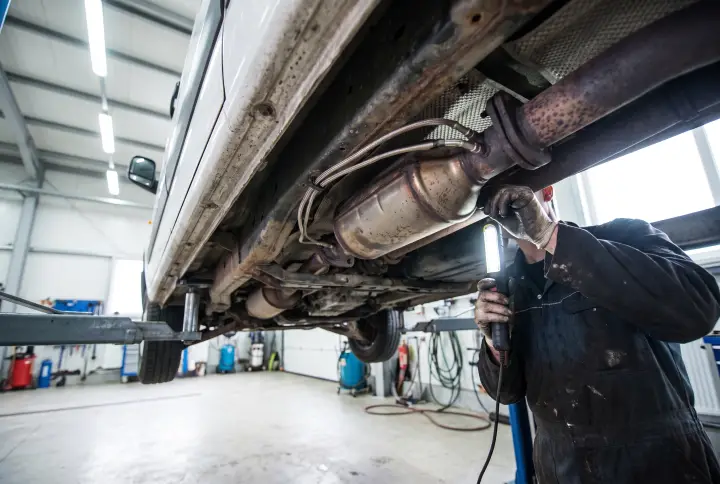
A 2015 BMW X5 (F15, F85) arrived at a workshop in Great Britain with an active check engine light and the single fault code P200200. The code indicates that the particulate filter efficiency is below the calibrated threshold for Bank 1, a fault that frequently drives technicians to replace the expensive filter assembly right away.
Decoding the implausible backpressure signal
When the Digital Diesel Electronics (DDE) module on the BMW B47 engine logs P200200, it is calculating an implausibly low differential backpressure relative to the calculated engine mass air flow and soot production. The system monitors the exhaust aftertreatment continuously. It expects a certain pressure drop across the filter as soot accumulates. If that pressure drop is missing, the module assumes the filter is no longer retaining soot efficiently.
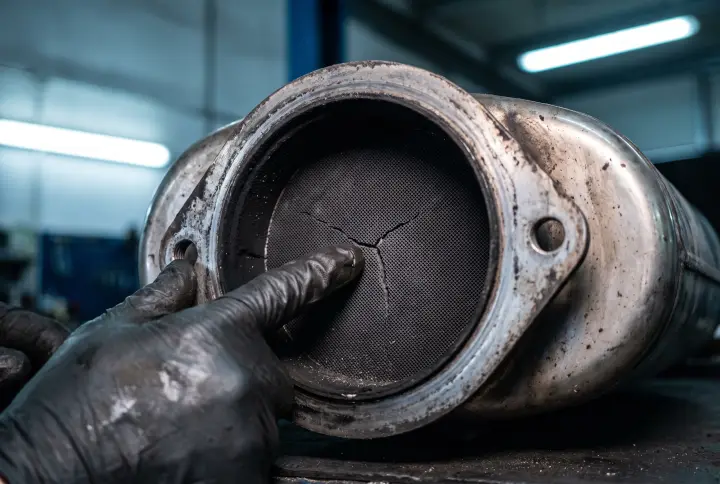
The diagnostic platform we build analyzed this specific vehicle and fault code combination. Our data ranked a cracked or damaged DPF substrate as the highest probability cause at 35 percent. When the internal ceramic or cordierite substrate fractures or melts, exhaust soot bypasses the filtration walls and travels directly into the tailpipe. A thermal shock event or previous severe regeneration spikes can compromise the substrate structure. Once this happens, the filter physically cannot trap particulates, and the efficiency plummets.
The physical plumbing of the pressure circuit
While a fractured substrate requires hardware replacement, the pressure sensing circuit itself causes a large portion of these efficiency faults without any actual internal filter damage. Our platform ranked leaking or blocked differential pressure sensor hoses as the second most likely cause, sitting at a 25 percent probability.
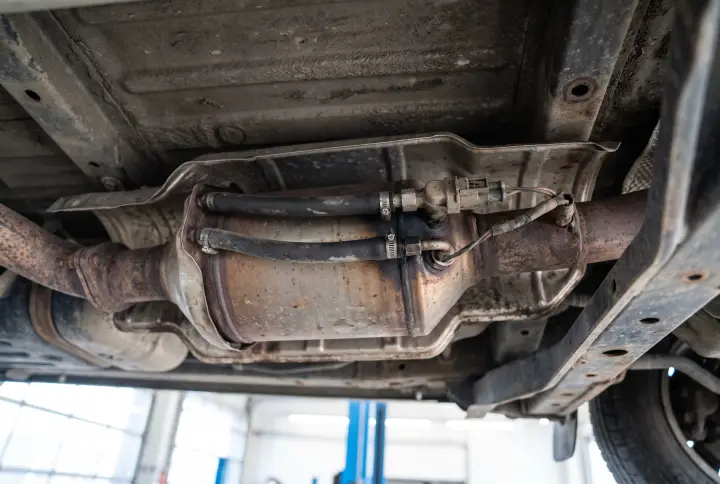
The DDE relies entirely on the differential pressure sensor and its sensing lines to calculate soot accumulation and filtration resistance. On the B47 engine, these pressure sampling lines consist of metal pipes attached to the DPF housing that transition into flexible elastomer or silicone hoses leading directly to the sensor. The exhaust environment subjects these hoses to extreme heat cycles. They become heat hardened, they crack, they split loose, or they partially clog with carbon and condensation.
A split hose drops the pressure signal delivered to the sensor significantly. The DDE interprets this false drop in backpressure as a filter that is no longer doing its job. The control unit then triggers P200200 based on bad data from the plumbing.
Evaluating the piezoresistive sensor
If the plumbing is intact, the sensor generating the data is the next logical step. A faulty DPF differential pressure sensor ranked closely behind the hoses at 20 percent probability. HaynesPro identifies this specific sensor as the primary testable component for the P2002 family of codes.
The sensor converts the exhaust pressure delta across the filter into a signal for the DDE. Internal piezoresistive sensor drift, internal diaphragm contamination from soot and moisture, or electrical contact degradation will cause the sensor to read incorrectly. It might output an implausibly low differential value under engine load. It might also fail to zero properly when you cycle the ignition. If the sensor reports a near zero pressure drop when the engine mass air flow indicates there should be 20 to 50 millibars of pressure, the DDE flags the efficiency threshold fault.
Regeneration prerequisites and coolant temperature
The final primary cause our system identified sits further upstream from the exhaust system entirely. An engine thermostat stuck open inhibits active regeneration and ranked at a 10 percent probability.
DPF regeneration on BMW diesel engines requires strictly enforced operating preconditions. The engine coolant temperature must reach and maintain at least 75 degrees Celsius, and ideally up to 88 degrees Celsius. The fuel level must also sit above reserved thresholds. If the engine coolant thermostat is sticking open or opening prematurely, the engine cannot sustain the minimum coolant temperature required for the DDE to trigger and complete active particulate regenerations.
Continuous regeneration denial causes abnormal soot and ash layering. This disrupts the regeneration model programmed into the DDE, contributing to efficiency plausibility faults over time.
Diagnostic sequence for P200200
Start with the fastest physical checks before connecting any electrical testing tools. Perform a tailpipe soot wipe test using a clean cloth. A heavy accumulation of black soot confirms that particulates are bypassing the filter, pointing directly to a cracked substrate. You can verify this with a borescope inspection of the downstream DPF face through a sensor port.
If the tailpipe is clean, evaluate the sensor data. Perform a key on, engine off zero offset test in the live scan data. Check the 5V reference, ground, and signal line voltages at the sensor plug. Visually inspect the flexible pressure sensor lines for splits or chafing, and check for flow using low pressure smoke or air. Finally, monitor the live coolant temperature during an extended test drive to ensure the thermostat is holding the engine in the correct thermal window for regeneration.
Reference pages for the codes in this article
- P2002: what we measure for this code across real diagnostics