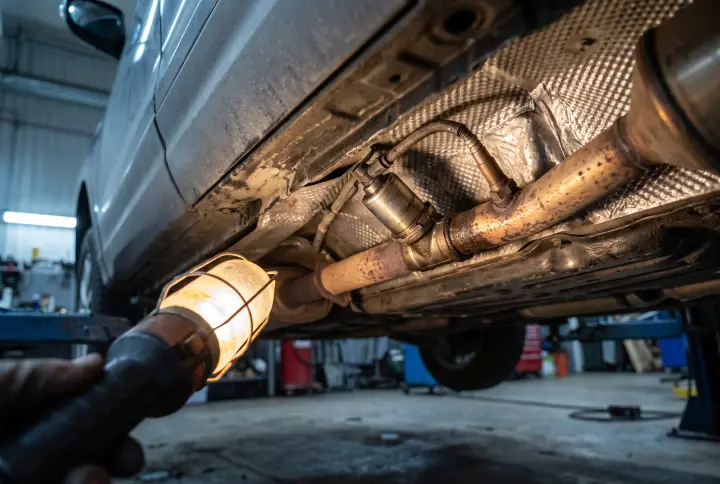
A 2019 Volkswagen Tiguan rolls into the bay with an intermittent check engine light and a lone P0441 code. The technician noted that the check engine light was on but had since turned off, pointing to a transient fault in the evaporative emission system. When a fault clears itself temporarily, guessing the cause often leads to unnecessary parts replacement.
The N80 Purge Valve as the Primary Suspect
The diagnostic platform we build ranked a sticking or leaking N80 purge valve as the most likely culprit at 78 percent probability. On the 2.0 TSI engine, the internal mechanical seal of the N80 valve frequently wears out or becomes contaminated. This allows vacuum to leak through when the valve is de-energized, or causes it to stick intermittently in a closed or partially open position.
Because the warning light had turned off, the system likely passed its EVAP monitor during the last three drive cycles. This points directly to a marginal leak or an intermittent stick rather than a hard failure. The platform suggested verifying the mechanical seal with a manual vacuum pump while the valve is de-energized. Further steps included an output test via the diagnostic tool to check the clicking function and monitoring Short Term Fuel Trim (STFT) during purge activation.
Tracing EVAP Lines and Quick Connectors
Ranked second at 45 percent was a leak or crack in the EVAP vacuum lines and quick connectors. The EVAP system relies on complete pneumatic sealing between the intake manifold, the N80 valve, and the lines running back to the charcoal canister. Heat, aging, and engine vibration can dry out the O-rings in the quick connectors or cause micro-cracks in the hard plastic lines.
An external leak prevents the engine control module from reaching the calculated vacuum level during a purge cycle, registering as incorrect purge flow. Since leaks can fluctuate based on engine temperature and line flexibility, the fault can be highly intermittent. The recommended test path here is a smoke test of the EVAP lines from the intake manifold backward, along with a visual inspection of the plastic tubes and rubber joints around the purge valve.
Charcoal Canister Saturation and Wiring Faults
A saturated or clogged active charcoal canister came in at a 30 percent probability. If a fuel tank is routinely overfilled, liquid gasoline can run down into the canister and saturate the charcoal bed. This restricts air flow and can cause charcoal pellets to crumble and block the regeneration lines. Checking the N80 inlet hose for charcoal particles and weighing the canister are the suggested diagnostic steps for this cause.
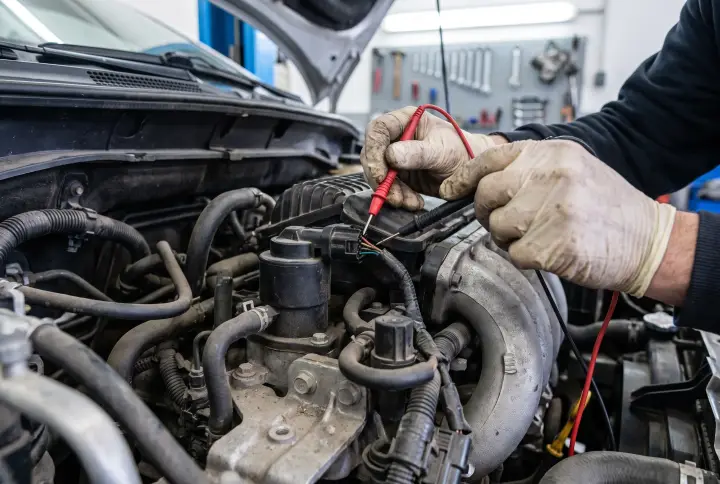
Additionally, our data flagged an electrical fault in the purge valve coil or connector at 25 percent. Micro-cracks in the coil winding, pin corrosion, or poor spring tension in the connector can cause intermittent open circuits during temperature changes and vibrations. Testing the coil resistance with a multimeter and verifying the supply voltage at the connector help rule this out.
Where to Start on This Tiguan
When dealing with an intermittent P0441 on a VW Tiguan, the N80 purge valve is the most logical and accessible starting point. Verifying the mechanical seal of the valve with a manual hand pump is a fast check that requires minimal teardown. Ruling out a transient mechanical stick early prevents time wasted on smoke testing lines that might actually be perfectly sealed.
Reference pages for the codes in this article
- P0441: what we measure for this code across real diagnostics