Topic
Diagnostic know-how
How fault codes, OBD2, TSBs and sensors work, and what our diagnostic data shows.
34 articles
-
Why Modern Diagnostics Require Pattern-Level Analysis
An analysis of 4,496 diagnostic sessions reveals why technicians must look at multiple fault codes together rather than diagnosing them in isolation. -
Universal Codes and Local Patterns
Platform data reveals why a workshop's perception of common fault codes is often skewed by highly localized vehicle trends. -
The Failure-Type Byte Most Code Lookup Tools Ignore
Nearly a third of fault codes include a failure-type byte that pinpoints the circuit fault. Find out why most lookup tools strip it out and how to use it. -
Same Cars, Different Countries: How Geography Changes Fault Codes
Analyzing 2402 diagnostics reveals that geographical location determines your most common vehicle fault codes, from P0299 in Sweden to P0420 in the US. -
Why 33 Percent of Coded Diagnostics Arrive Without a Symptom
Platform data shows that technicians submit one third of coded diagnostics without symptom text. Learn how this impacts the diagnostic path. -
Fault Codes on the Rise: Lean Conditions and Thermostat Faults Surge
Wrenchlane platform data reveals a sudden surge in P0171 lean codes, P0300 misfires, and P0128 thermostat faults over a 60-day window in automotive workshops. -
Where the faults really are: 80% of diagnostics hit the powertrain
We analyzed nearly 2,000 vehicle diagnostics. 80% of coded faults point directly to the powertrain, with turbo underboost leading the pack. -
What diagnostic code density tells us about vehicle brands
Our platform data reveals massive differences in how vehicle brands report faults. See why Volvo gives failure bytes 77% of the time while Toyota gives none. -
What Unreadable Fault Codes Taught Us About Workshop Software
We analyzed 3564 raw fault code strings to see how real diagnostic input breaks down. Discover why rigid software fails on basic typos and native codes. -
Real Diagnostics Are Rarely One Code
Platform data shows that 31 percent of coded diagnostic sessions contain multiple fault codes. Discover how technicians handle complex multi-code jobs. -
The Fault Codes That Take the Most Ruling Out
We analyzed our platform data to find the fault codes that carry the highest number of candidate causes and stall workshop bays the most. -

Why Fault Codes Travel in Packs
Fault codes rarely happen in isolation. Discover why analyzing whole DTC code sets reveals the true root cause faster than reading codes one at a time. -
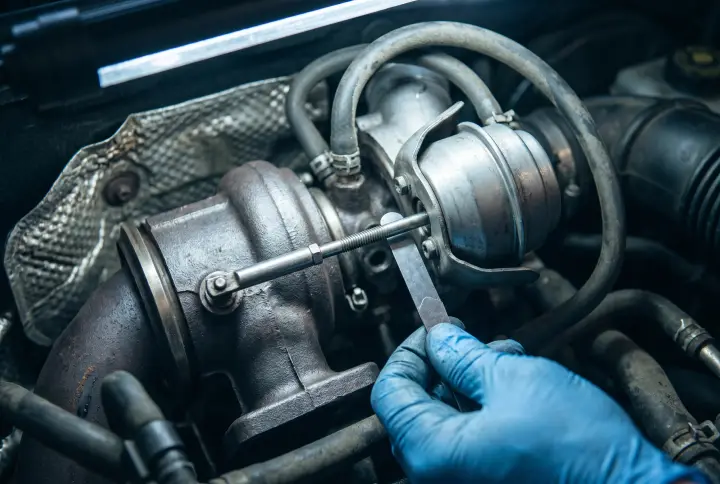
P029900 Is the Most Common Fault Code in WrenchLane – Why Are Turbo-Related Problems So Common in Volkswagen Group Vehicles?
P029900 tops the fault-code statistics in WrenchLane. What the VW Group underboost code means — and why it doesn't automatically mean a faulty turbo. -

Understanding Generic vs. Manufacturer-Specific DTCs: Key Differences Explained
Learn the key differences between generic and manufacturer-specific Diagnostic Trouble Codes (DTCs) and their role in vehicle diagnostics. -
Why 35% of fault codes arrive with no description
We analyzed 2957 diagnostics from independent workshops. See why multi-code failures and missing code descriptions require pattern-level diagnosis. -

Why Your Gut Feel on Common Fault Codes is Wrong
Platform data reveals why your shop's gut feel for common fault codes might be wrong. Learn the difference between universal baselines and local anomalies. -
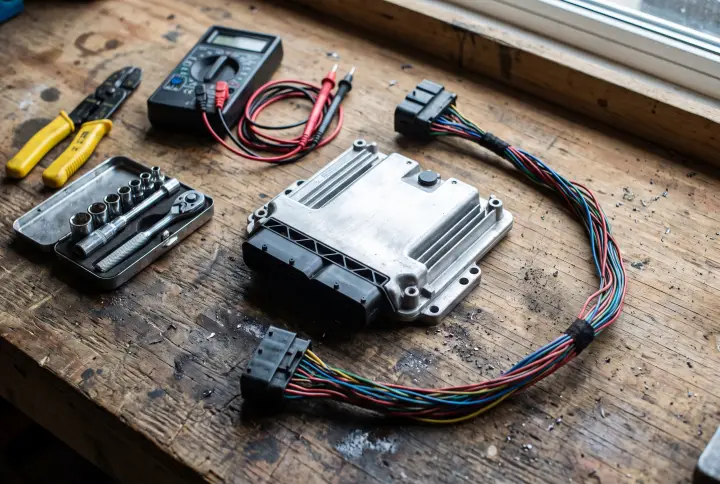
The Failure-Type Byte Nobody Reads
35% of fault codes carry an extra failure-type byte that most lookup tools discard. Learn why this hidden data is critical for accurate workshop diagnostics. -
Why Fault Codes Change at the Border
An analysis of 1596 coded diagnostics from the Wrenchlane platform reveals how vehicle fault codes like P0299 and P0420 vary dramatically by country. -
Why the fault codes in your bays are shifting this quarter
Discover how the mix of fault codes in independent workshops is shifting, with turbo and EGR codes fading while O2 sensor faults climb rapidly this quarter. -
When a fault code arrives with no symptom
Workshop data shows 35% of coded diagnostics are submitted without symptoms. See why a single fault code makes mechanics skip writing down the problem. -

10 Most Frequent Diagnostic Trouble Codes (DTCs) and What They Mean
Explore the most common DTCs, their causes, and how to diagnose and fix them effectively. -
What Actually Fails: 1,362 Coded Diagnostics
Across 1,362 coded diagnostics in our platform data, 79% were powertrain, but a handful of narrow code families carry the repeat work. Here is what to do. -

How OBD2 Readers Work: A Technical Overview
Explore the inner workings of OBD2 readers, from communication protocols to data extraction, and understand their crucial role in modern vehicle diagnostics. -

How real repair outcomes improve your diagnostics
Most mechanics know the feeling. A car comes in with a check engine light. You pull the codes. Three fault codes stare back at you. Which one matters? Where do you start?