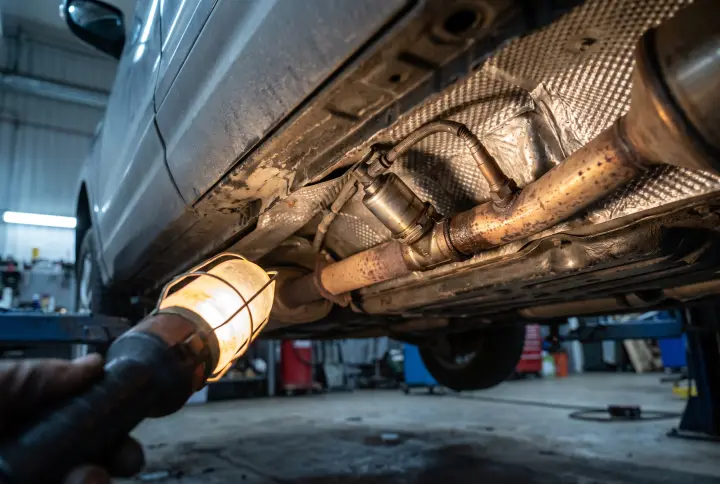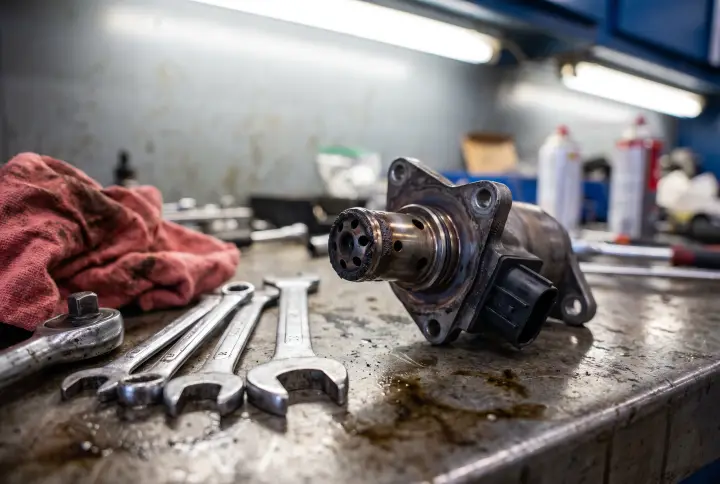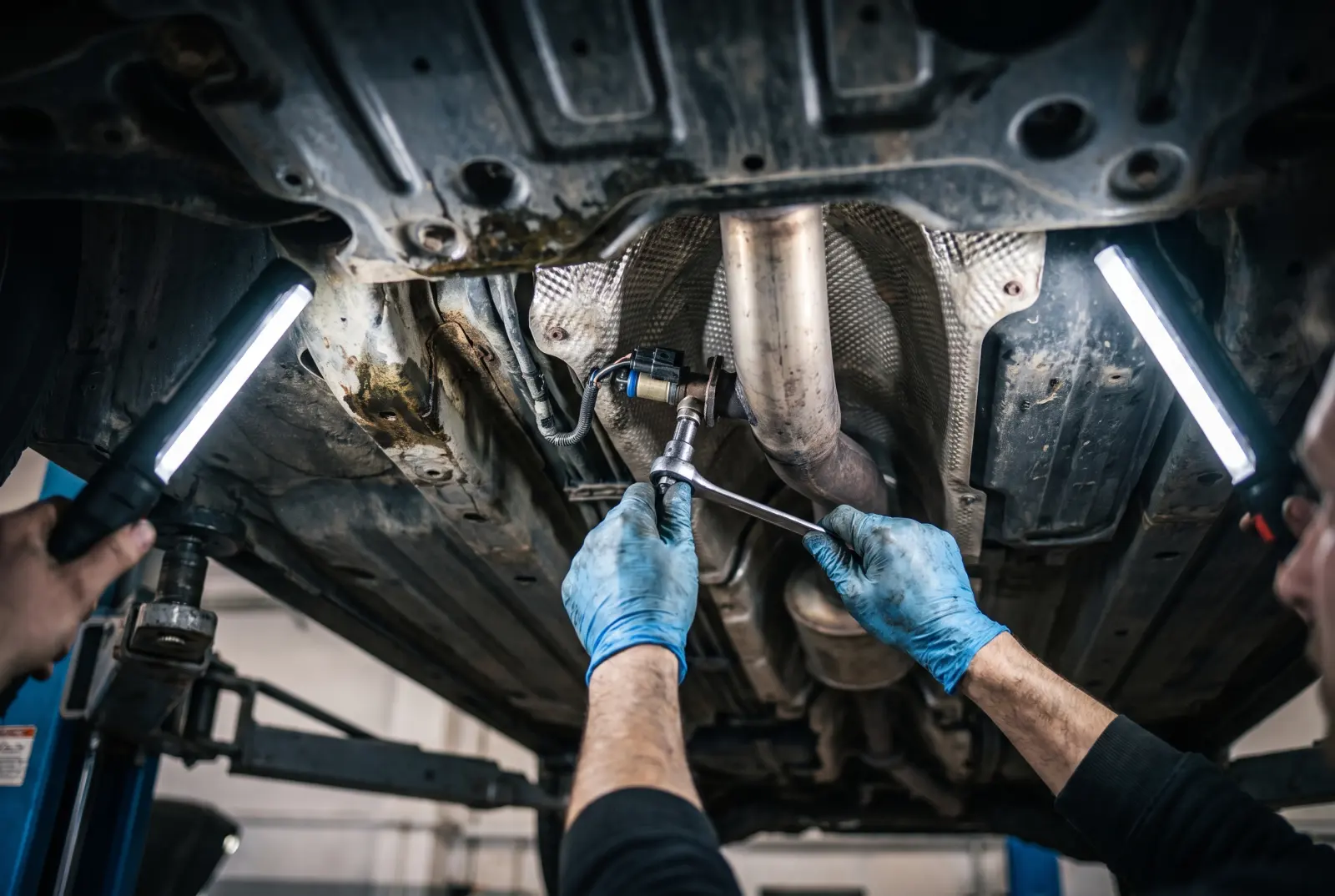
A 2021 Toyota Proace Verso II rolled in with a P20EE fault code and an active AdBlue warning on the instrument cluster. The technician recorded the dashboard warning exactly as the customer described it, and the vehicle immediately required a structured diagnostic approach to avoid unnecessary component replacement. In modern diesel emissions systems, a general efficiency fault code can point to anything from a clogged nozzle to a degraded catalyst. Our platform analyzed the specific combination of this vehicle, the P20EE code, and the cluster warning to map out the most probable root causes. The goal in this situation is always to prevent the parts cannon from firing.
Pinpointing the AdBlue Dosing System
The diagnostic engine ranked a problem with the AdBlue dosing system as the most likely root cause, assigning it a 90 percent probability with a medium severity rating. This category encompasses a clogged injector or a faulty delivery pump. The reasoning highlighted that urea crystallization in the dosing nozzle is a frequent failure point for this specific fault code.
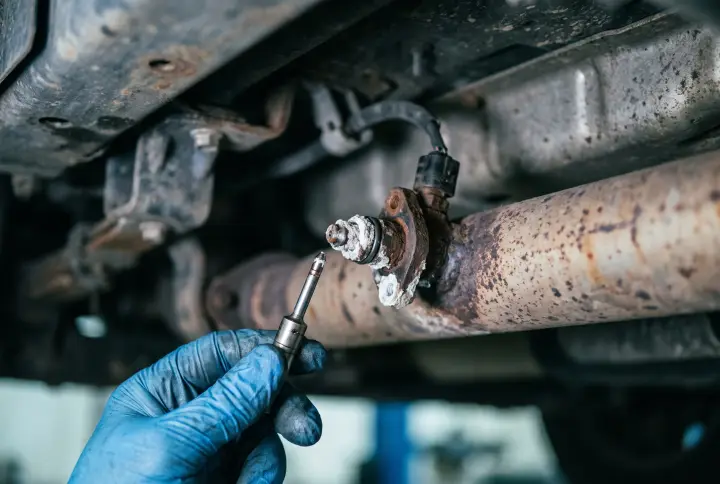
When urea crystals form, they physically block the injector from spraying the AdBlue fluid into a fine, atomized mist. This atomization is absolutely critical for the chemical process of nitrogen oxide reduction to occur efficiently in the exhaust stream. If the fluid just drips out of the nozzle or sprays in an uneven pattern, the chemical reaction fails, the emissions levels remain too high, and the engine control module triggers the P20EE code. Leaking injector seals can also create the perfect environment for this crystallization to happen outside the intended spray zone. Furthermore, a failing pump will similarly result in incorrect dosing amounts reaching the exhaust.
To confirm or eliminate this top cause, the platform provided a specific sequence of tests for the technician to follow. The very first step is a direct visual inspection of the AdBlue injector and its physical mounting point on the exhaust pipe to look for obvious crystal buildup. Following a clean visual inspection, the technician is guided to check the AdBlue system pressure using live data on their diagnostic tool. Finally, the shop is instructed to perform an active AdBlue dosing test, commanding the system to operate so the technician can verify the spray pattern and the actual volume being delivered.
Verifying Fluid Integrity Before Swapping Parts
Just behind the dosing system hardware, contaminated or low-quality AdBlue fluid ranked at an 85 percent probability with a medium severity. The chemical makeup of the diesel exhaust fluid is strictly defined by the manufacturer, and the system expects a concentration of roughly 32.5 percent urea.
If the fluid in the tank is compromised by water or diesel fuel, the selective catalytic reduction system simply cannot convert nitrogen oxides efficiently, regardless of how well the mechanical dosing components are working. The diagnostic engine noted that bad fluid not only directly causes the P20EE efficiency code but also actively promotes the very crystal formation that damages the injector nozzle mentioned in the previous step.
Testing for fluid quality is a straightforward process but one that is easily overlooked in the rush to check electronic sensors or swap expensive modules. The recommended diagnostic path starts with a basic visual check of the fluid in the tank, looking for obvious separation or heavy contamination. The definitive test requires the technician to use a refractometer to accurately measure the actual urea concentration percentage. Proving the fluid is chemically sound early in the diagnostic process prevents a workshop from replacing expensive hardware in an attempt to solve what is fundamentally a chemical problem.
Analyzing NOx Sensor Data and Heater Circuits
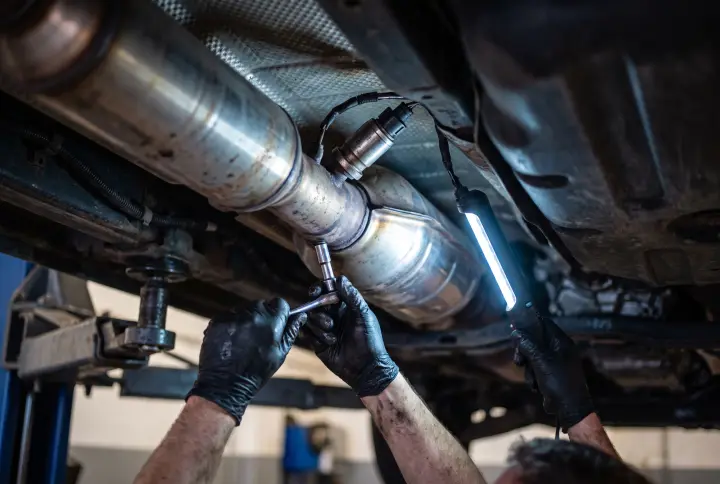
At an 80 percent probability, also with a medium severity, the diagnostic focus shifts to the nitrogen oxide sensors themselves. The engine control module relies entirely on the data from the upstream sensor located before the catalytic converter and the downstream sensor located after it. These sensors provide the raw data used to calculate the overall efficiency of the emissions system.
A faulty sensor can easily broadcast inaccurate measurements back to the control module. When this happens, the computer incorrectly calculates that the catalyst is operating below its minimum efficiency threshold. It will set the P20EE code even if the physical catalyst, the dosing injector, and the fluid are all functioning perfectly.
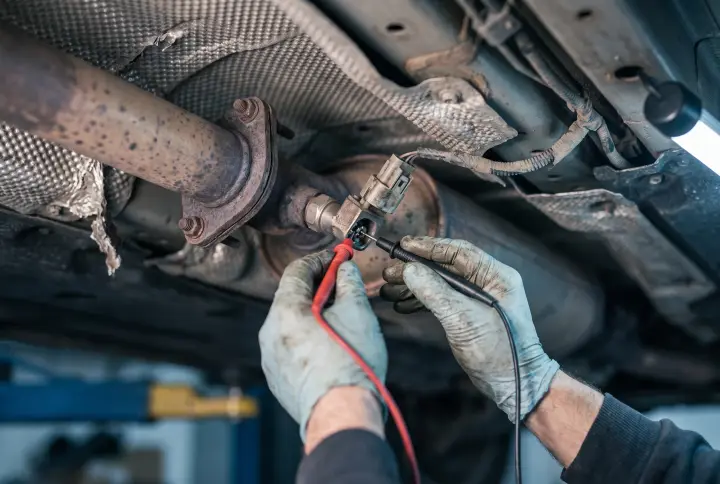
The diagnostic tests for this stage are highly data-driven and rely on the shop's scan tool. The platform instructs the technician to pull up live data streams and directly compare the readings from the upstream and downstream sensors while the engine is running. Discrepancies here can quickly isolate a failing component. Additionally, the platform flags the sensor heater circuits for physical testing. A failure in the internal heating element will prevent the sensor from reaching its required operating temperature, severely skewing the data it reports to the module and causing false efficiency faults.
Assessing the SCR Catalytic Converter Integrity
Ranked fourth at a 70 percent probability, but carrying a high severity warning, is a degraded or physically damaged catalytic converter. The catalyst substrate can break down over time due to intense thermal stress, chemical contamination from engine oil, or prolonged periods of incorrect AdBlue spraying.
When the internal substrate becomes saturated with deposits or structurally damaged, its ability to chemically convert nitrogen oxides into harmless nitrogen and water is severely reduced. This directly causes the system efficiency to plummet, resulting in a legitimate P20EE code.
Because replacing a complete catalytic converter assembly is a major expense for the customer, the platform places this lower in the diagnostic testing order, ensuring the cheaper, more common failures are ruled out first. The suggested testing procedure here involves a thorough visual inspection of the converter housing for external damage, followed by checking for internal blockages if the exhaust can be scoped or disconnected. If the physical inspection passes, the final step is to use a scan tool to force an active efficiency test, commanding the system through its paces to definitively measure the converter's real-world chemical performance.
Structuring the Workshop Workflow
Having this data mapped out changes how a technician approaches the vehicle bay. Instead of jumping straight to the most expensive component or guessing based on a generic code definition, the workflow follows a logical path dictated by the actual mechanics of the failure.
Starting with a visual inspection of the injector and a quick refractometer test of the fluid takes only minutes. Moving to live data analysis of the sensors and forced system tests requires more time with the scan tool, but by that point, the fundamental chemical and mechanical requirements of the system have already been verified. We build Wrenchlane to ensure this sequence is clear from the moment the vehicle is plugged in, keeping the repair moving forward.
Do your technicians prefer a different sequence of tests when a P20EE code appears on the instrument cluster?