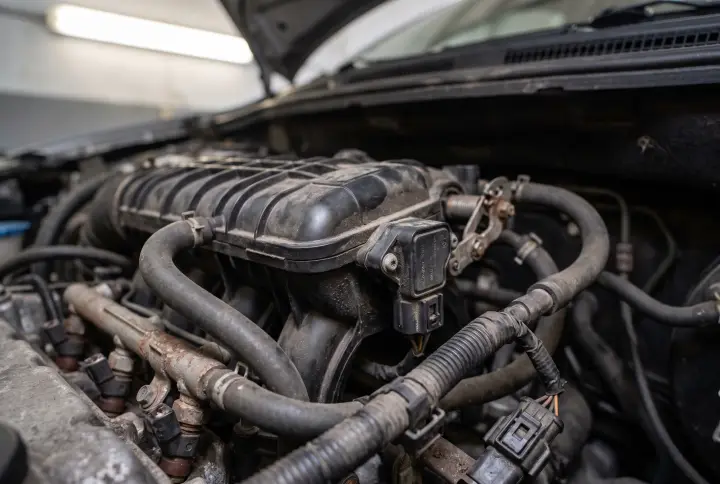
A 2019 SKODA Octavia III rolled into a bay recently with a P0299 underboost code and a single complaint of 'engine light no power.' The vehicle, an Octavia 5E chassis with the 2.0 TDI DFFA engine, was operating in the SI market. When our diagnostic platform processes this specific combination of symptoms and codes, it ranks the physical charge air plumbing as the most critical starting point, rather than jumping straight to turbocharger replacement.
Tracing the Charge Air System
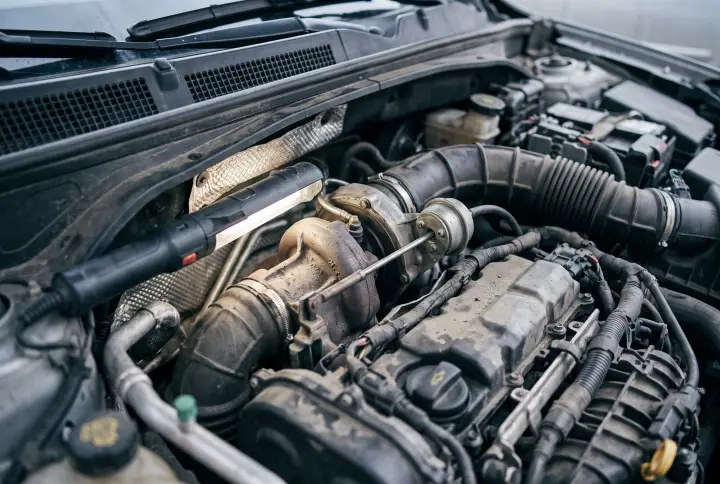
A boost leak ranks at a 90 percent likelihood for this specific fault on the DFFA engine. This particular TDI variant is notoriously sensitive to even minor pressure losses in the intake system. Cracks, split hoses, or loose clamps allow pressurized air to escape before it reaches the intake manifold. Because the system pushes more pressure under heavy acceleration or highway speeds, the leaks become obvious under load.
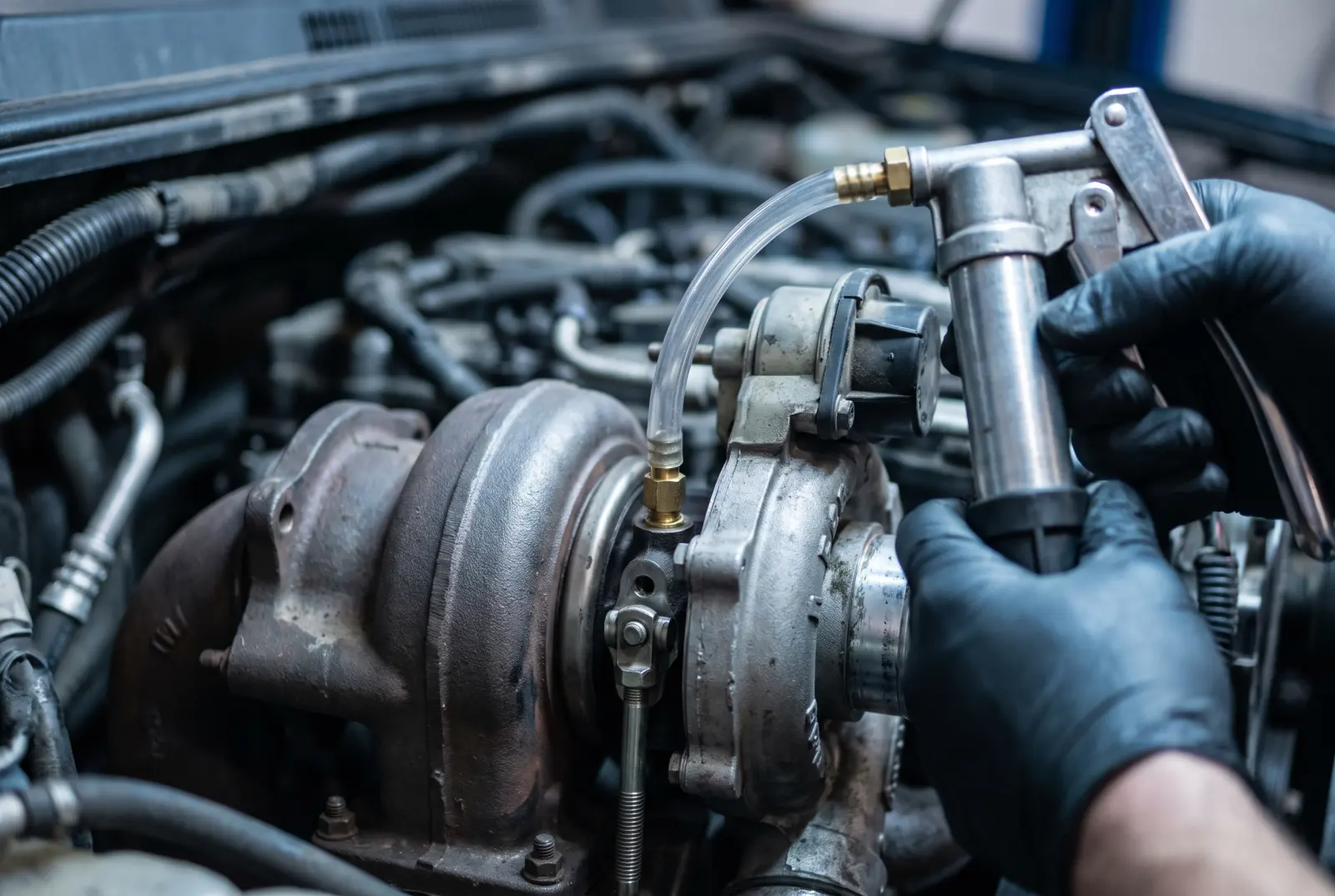
The first diagnostic step here is not electronic. Look for oil residue around the intercooler pipes and intake hoses, which is a classic indicator of escaping charge air. If a visual inspection of the boost pipes and clamps does not reveal an obvious split, the next step is a smoke test. Pumping smoke from the turbocharger outlet directly to the intake manifold will expose the exact point of failure without unnecessary teardown.
Assessing VNT Mechanism Health
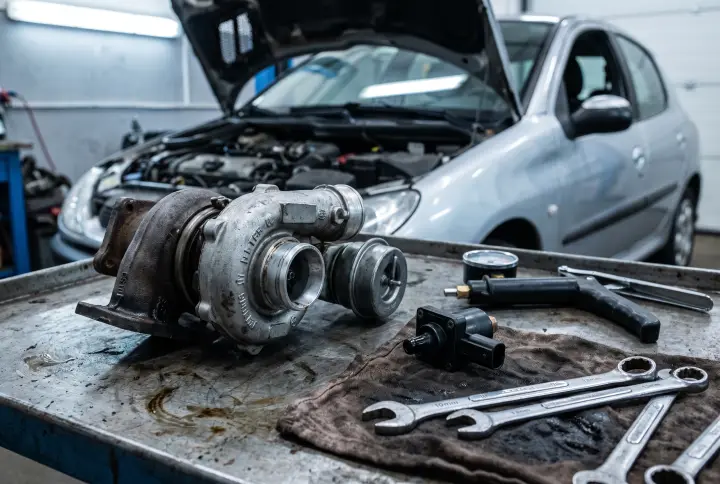
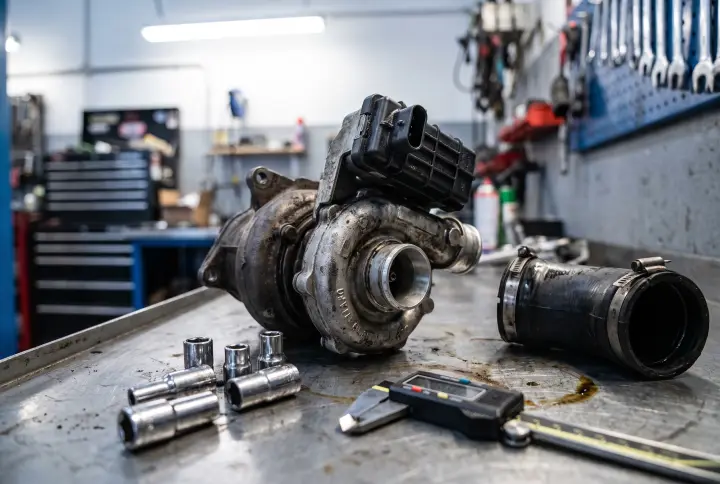
If the charge air system holds pressure, a seized Variable Nozzle Turbocharger mechanism is the next most likely culprit, ranked at 85 percent. Soot accumulation in the turbine housing is common for TDI engines over time, restricting the movement of the movable vanes. When these vanes become stiff or seize completely, they fail to adjust to the high boost position required during heavy acceleration. This mismatch triggers the P0299 code and forces the engine into limp mode to prevent further damage.
Checking this requires a mix of physical and digital tests. Manually checking the VNT actuator rod for smooth, full sweep movement is the physical check. On the digital side, a diagnostic tool should be used to monitor live data, specifically comparing Requested Boost against Actual Boost, alongside the Turbocharger Vane Position parameters.
Validating the Vacuum Control Circuit
The VNT turbocharger on the DFFA engine relies entirely on a vacuum supply. A malfunction in this control system ranks at an 80 percent probability. Without a robust vacuum, the VNT actuator cannot position the vanes correctly to generate the target boost.
The failure points here are specific. A faulty N75 boost pressure control solenoid, cracked or porous vacuum lines, or a damaged diaphragm inside the turbocharger vacuum actuator will all cause an underboost condition. Testing requires a hand-held vacuum pump to inspect the lines and verify system integrity. The N75 solenoid valve itself should be tested either by using a diagnostic scan tool to command it or by applying power directly to confirm operation.
Confirming MAP Sensor Accuracy
Finally, a faulty Manifold Absolute Pressure sensor sits at a 60 percent probability. The MAP sensor measures the actual boost pressure and reports it to the ECM. If the sensor is contaminated with oil residue or simply failing, it might report a lower pressure than what actually exists in the manifold. The ECM interprets this false data as an underboost condition, setting the P0299 code even if the turbocharger and plumbing are perfectly sound.
The diagnostic step here is straightforward. With the engine off, compare the live data of the MAP sensor to the BARO sensor. They should read identically. A visual inspection of the MAP sensor element for oil coating is also required before assuming the sensor has failed electronically.
Reference pages for the codes in this article
- P0299, what we measure for this code across real diagnostics