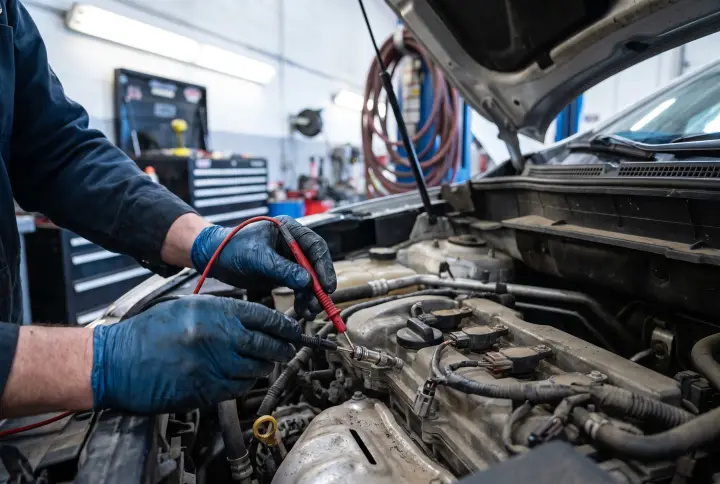
A 2012 Volkswagen Polo V recently entered a Dutch workshop with a laundry list of symptoms, including three separate glow plug fault codes and a hissing noise under the hood. The technician recorded a hard engine knock, an exhaust smell, and a clanking noise from under the car on deceleration.
When we look at our own data from the diagnostic platform we build, cases with multiple distinct symptoms usually stall when a technician treats each code in isolation. By feeding the codes and physical symptoms together into Wrenchlane, a clear testing structure emerged.
Grouping the Glow Plug Codes
The vehicle presented P0671, P0672, and P0673, indicating electrical faults on cylinders 1, 2, and 3. Our system ranked a common circuit fault as the most likely cause at 95 percent probability. Three individual glow plugs failing simultaneously is rare. Instead, this pattern points to a shared component like the glow plug control module (GPCM), the wiring harness, a shared ground, or a fuse. A poor engine ground or a GPCM overvoltage is a known cause for these specific codes on Volkswagen diesels. The suggested diagnostic path started with measuring the resistance of each plug, followed by checking the voltage and ground at the GPCM.
Linking the Hissing to the EGR Fault
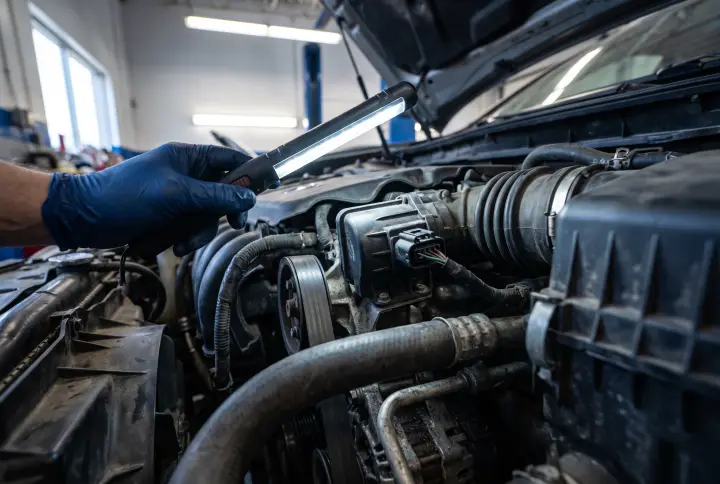
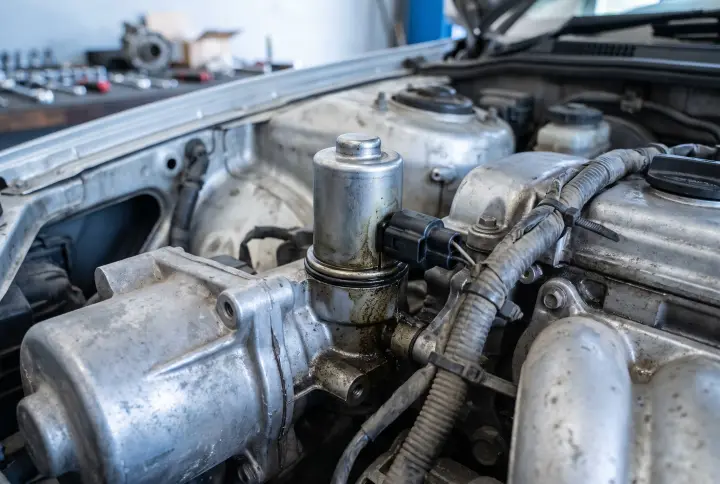
The technician also noted a hissing noise and an exhaust smell 30 seconds after starting the engine, accompanied by code P040500 for a low EGR Sensor A circuit. Our engine ranked an intake or exhaust leak at 85 percent probability. OEM information confirms a high likelihood that the hissing and exhaust smell are directly tied to the P0405 code. A defective EGR cooler bypass valve or a cracked pipe at the EGR assembly alters flow and distorts the sensor readings. The recommended next step was a smoke test of the intake and exhaust systems, rather than simply replacing the sensor.
Tracing the Physical Clunks and Leaks
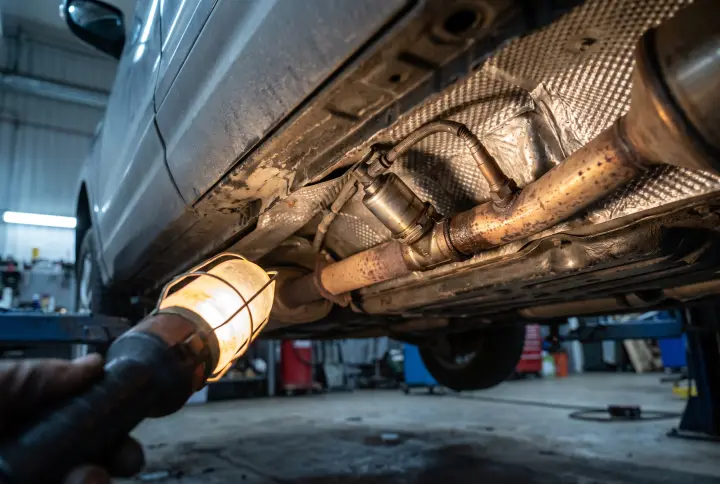
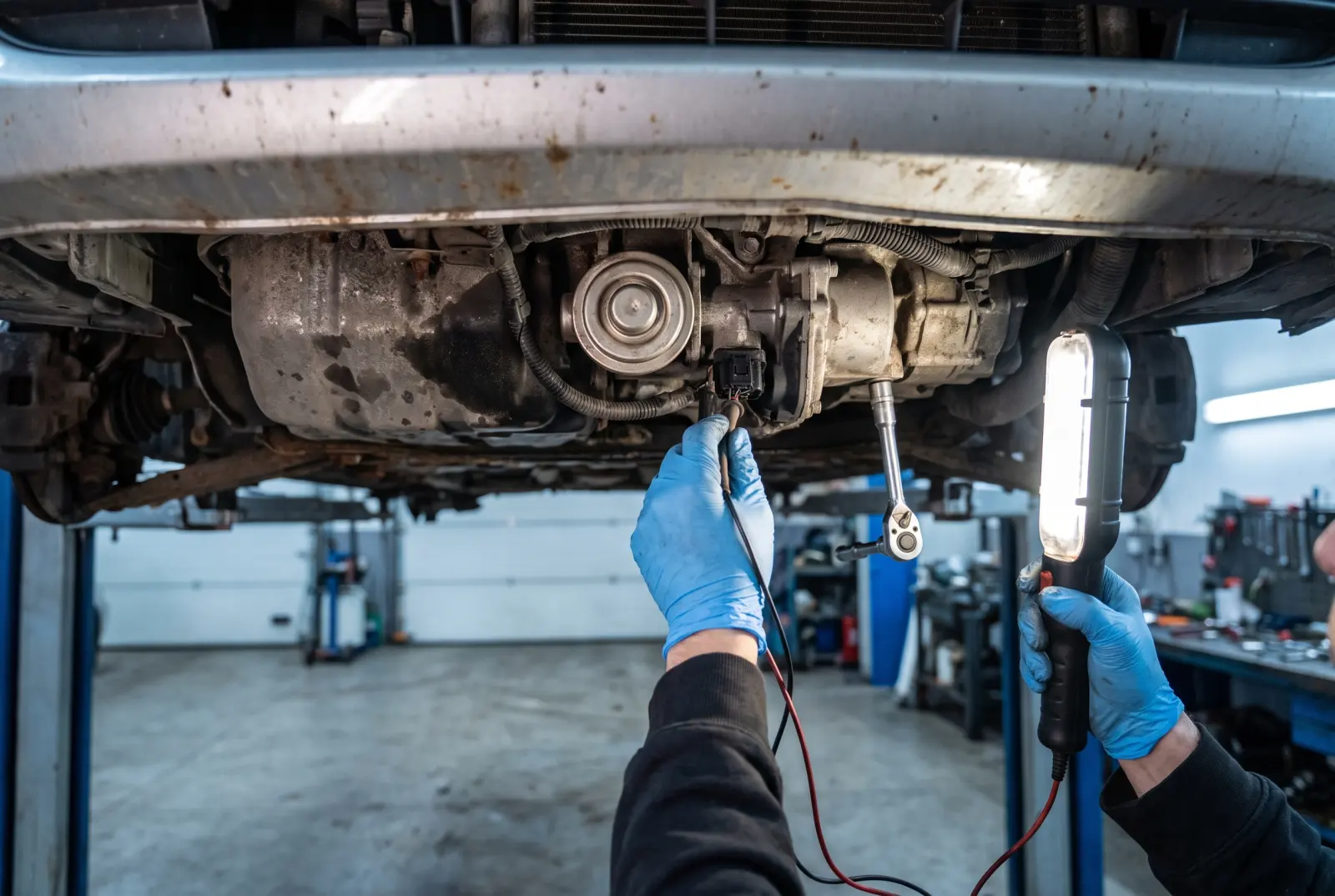
The physical complaints included a clicking on throttle lift-off, visible engine movement on shutdown, and a metal clank over speed bumps. The upper gearbox mount had already been replaced. The diagnostic engine ranked worn right and lower pendulum mounts at 80 percent probability. Excessive engine movement allows the exhaust system to hit the body or heat shields, causing the metal clank. The test path advised a torque stall test to verify the remaining old mounts.
Finally, the technician noted oil residue around the vacuum pump. Our platform ranked a vacuum pump leak at 70 percent, noting that on CFWA engines, the O-ring between the pump and cylinder head frequently fails.
Stop Chasing Ghosts
A job with four fault codes and a half-dozen noises can easily consume an entire morning. Grouping the symptoms into shared root causes keeps the diagnostic path focused and gets the vehicle out of the bay faster. Have you seen similar overlapping faults on Volkswagen diesels?