A 2022 Renault Trafic III arrived at a UK workshop locked in limp mode with a single engine management code: P00092. The technician noted the vehicle simply "goes into limp" during operation, pointing to a severe fuel pressure control intervention.
Fuel Pressure Regulator Solenoid Coil Failure
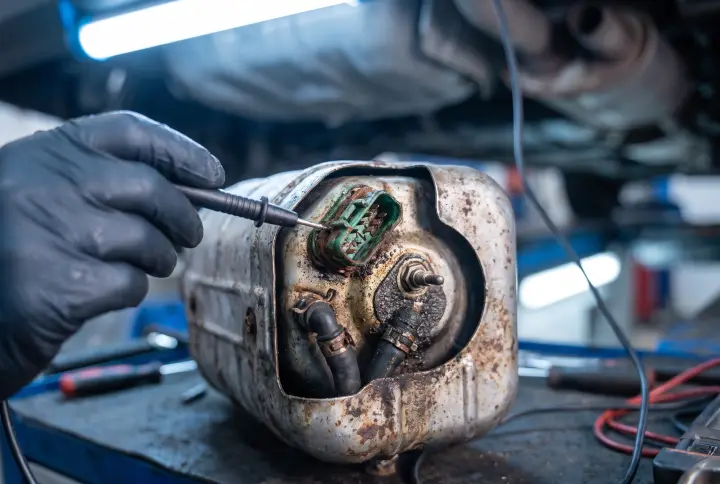
Our diagnostic platform ranked an internal coil failure within the fuel pressure regulator solenoid as the most probable cause, at 45 percent. On the 2.0 dCi M9R-717 engine, this metering valve modulates the volume of diesel entering the high-pressure pump. It operates via a pulse-width modulated solenoid controlled by the engine control module.
Continuous thermal cycling and heavy engine vibration can cause micro-fractures inside the coil windings. This creates high electrical resistance or an intermittent open circuit. Because this is a low-side controlled circuit, an open solenoid stops current flow, causing the feedback voltage to pull high to the supply voltage. The engine control module reads this elevated voltage, logs P00092, and forces limp mode to prevent common-rail over-pressurization.
To prove this, technicians should perform a multimeter resistance test across the solenoid terminals at both cold and hot temperatures. An oscilloscope waveform analysis of the current draw and voltage during a scan tool active test will confirm if the coil is breaking down under load.
Wiring Harness Chafing and Shorts
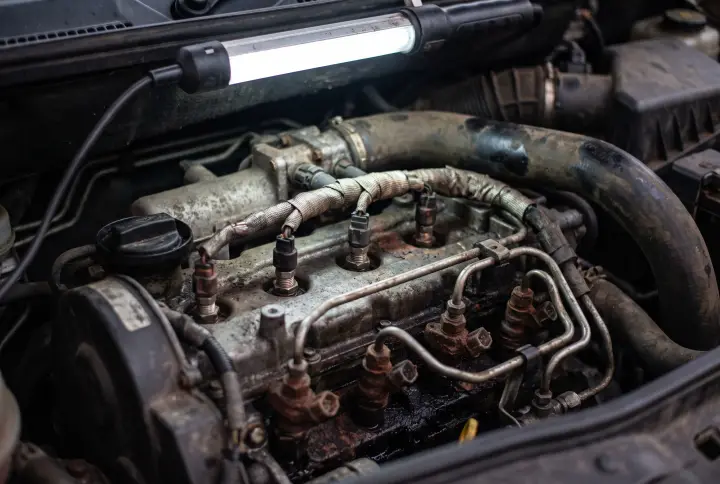
Ranked closely behind at 35 percent probability is a wiring harness fault. The engine wiring loom on the Trafic III M9R routes from the engine control module to the high-pressure pump, passing very close to sharp metal brackets, lifting eyes, and the timing cover.
Sustained engine vibration easily abrades the protective conduit in these areas. If the low-side control wire chafes against an adjacent 12-volt feed wire, a short-to-voltage occurs. Alternatively, copper strands breaking under tension mimic the exact open-circuit conditions of a failed solenoid.
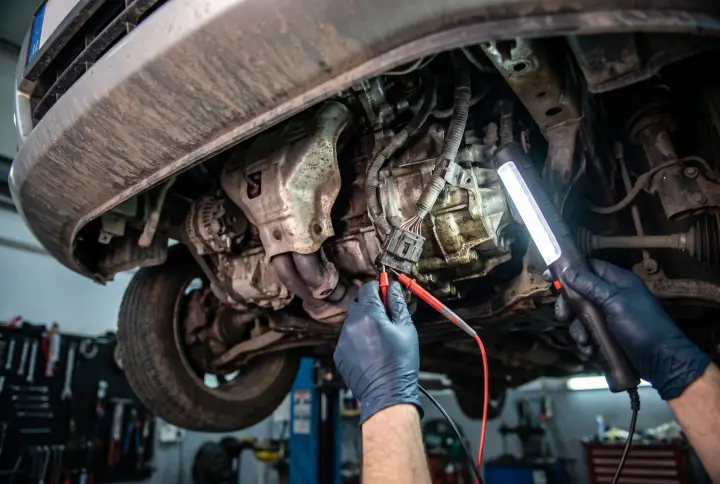
Diagnosis requires a visual and tactile inspection along the engine lifting eyes and heat shields. A voltage measurement on the low-side control wire while performing a harness wiggle test is highly effective here, alongside a loaded circuit voltage drop test between the regulator and the control module pins.
Connector Terminal Fretting
Terminal fretting at the regulator connector carries a 20 percent probability in this scenario. The two-pin plug sits in a harsh environment of intense heat and vibration. Micro-motion between the male pins and female harness terminals causes oxidation of the contact plating, while the terminal springs can spread and lose tension over time.
This intermittent loss of contact perfectly mimics an open circuit, raising the circuit voltage and triggering P00092. Technicians should inspect the cavities for green oxidation, moisture, or fuel contamination. A pin drag test using the correct male terminal probe will confirm tension, and monitoring the duty cycle live while manipulating the plug can reveal hidden faults.
Internal Control Module Driver Faults
While rare at an 8 percent probability, the engine control module itself can fail. The internal solid-state low-side driver transistor, which switches the regulator ground, can degrade from thermal stress or damage from a prior external short. If this transistor fails in an open state, the module permanently perceives the circuit voltage as stuck high.
Verifying this requires an oscilloscope signal capture at the output pin during an active command. A loaded test light check on the regulator low-side circuit, or isolating the driver with a dummy load, will definitively condemn the module.
Where to Start the Diagnosis
On a Renault Trafic III logging P00092 and entering limp mode, always prioritize a tactile check of the fuel pressure regulator connector and the harness near the engine lifting eyes. A simple pin drag test and visual inspection can quickly eliminate fretting or chafing before moving to resistance tests on the metering valve solenoid itself.