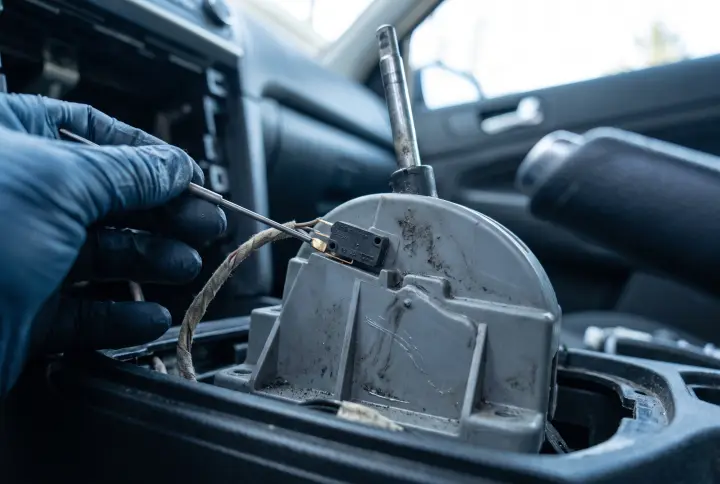
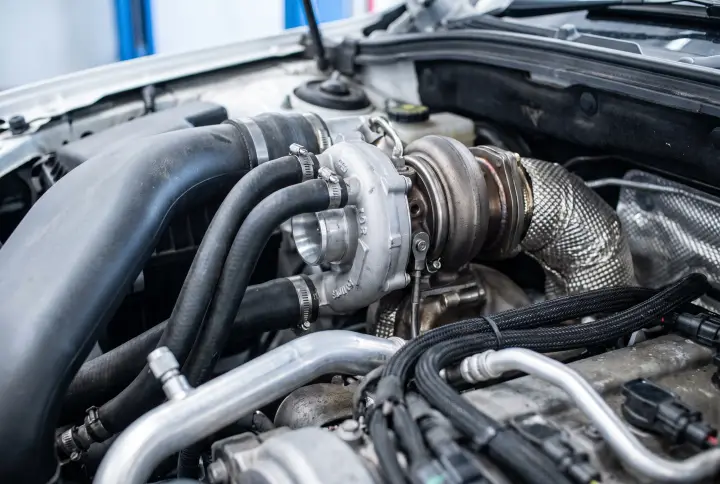
A 2014 Volkswagen Golf VII arrived at the workshop with a completely unresponsive parking heater and two fault codes stored: B1389 and B138F. The technician noted the heater was entirely out of function, a common scenario when the system locks itself down after repeated failed starts.
Unlocking the Heater Control Module
The presence of B138F indicates that the heater is interlocked. After three consecutive failed start attempts, the control module activates a safety lockout to prevent the accumulation of raw fuel. This blocks any further start attempts until the lockout is cleared.
To begin the actual diagnosis, the technician must unlock the heater through basic settings, specifically channel IDE06654. Until this software block is removed, no live data testing or manual start sequences can take place. The companion code B1389 points directly to an absence of flame formation, which is the root symptom the module detected before initiating the lockout.
Fuel Metering Pump Interruptions
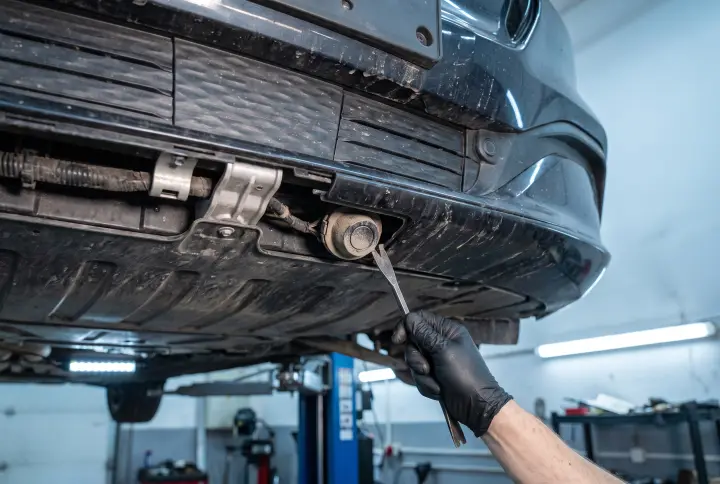
Our diagnostic platform ranked a defective fuel metering pump (V54) or a fuel supply interruption as the most likely cause, at a 75 percent probability. The V54 is an electromagnetic piston pump mounted near the fuel tank under the vehicle, pulsing exact amounts of petrol to the heater.
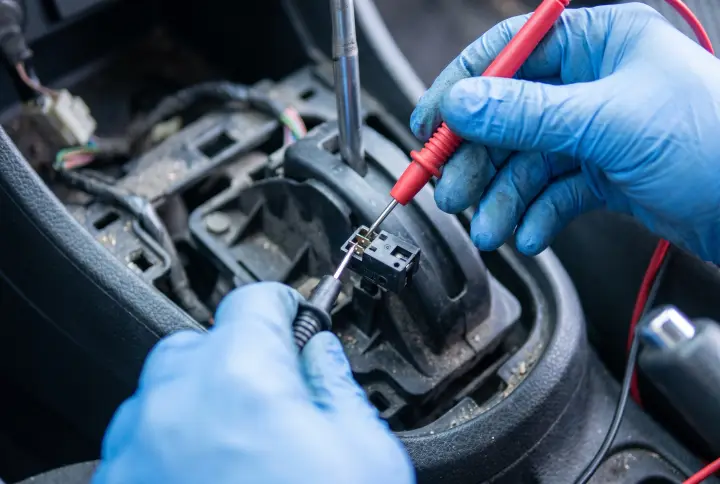
These pumps frequently suffer from a seized piston after remaining inactive throughout the summer months. Alternatively, an electrical fault in the magnetic coil or air pockets in the fuel line will prevent fuel from reaching the combustion chamber. When the control module initiates the start sequence and heats the glow plug, the lack of fuel results in no combustion, triggering B1389. The initial test here is an output test of the V54 pump using a diagnostic tool to listen for its characteristic ticking sound, followed by measuring the coil resistance at the connector.
Coking in the Combustion Chamber
Ranked closely behind at a 70 percent probability is a coked combustion chamber and a clogged evaporator fleece. In a petrol-fired Webasto Thermo Top Evo, the fuel vaporises through a metal fleece in the combustion chamber before ignition.
Repeated short trips or incomplete combustion cause hard coke and soot to accumulate on this fleece and inside the burner cup. This buildup physically isolates the glow plug from the fuel, stopping the petrol from vaporising effectively during the start sequence. Confirming this requires unlocking the heater, attempting a manual start while monitoring flame status and temperature in real time, and ultimately removing the burner cover to visually inspect the fleece for hard coke deposits.
Glow Plug and Air Supply Faults
The platform identified two other critical paths. At a 60 percent probability, a defective Q8 glow plug with flame monitoring can fail to ignite the mixture. This ceramic element heats to over 800 degrees Celsius and then acts as a flame sensor by measuring resistance changes caused by the heat of the flame. Aging or internal resistance breaks prevent it from reaching the required temperature or reporting the established flame back to the control module.
Finally, a blocked combustion air supply or a damaged exhaust pipe carries a 40 percent probability. The heater relies on exact airflow from the V6 combustion air blower. If the flexible exhaust pipe on the right underside of the vehicle is flattened from an impact, or packed with snow and ice, the resulting backpressure chokes the flame at the exact moment of ignition.
Diagnostic Starting Point
When facing these codes on a Golf VII, the very first step must be unlocking the heater via basic setting IDE06654. Once communication and operation are restored, prioritize an output test of the V54 fuel metering pump and listen for the mechanical ticking. If the fuel supply and pump function are verified, the diagnostic path moves directly to removing the burner cover to check the evaporator fleece and glow plug for heavy carbon buildup.