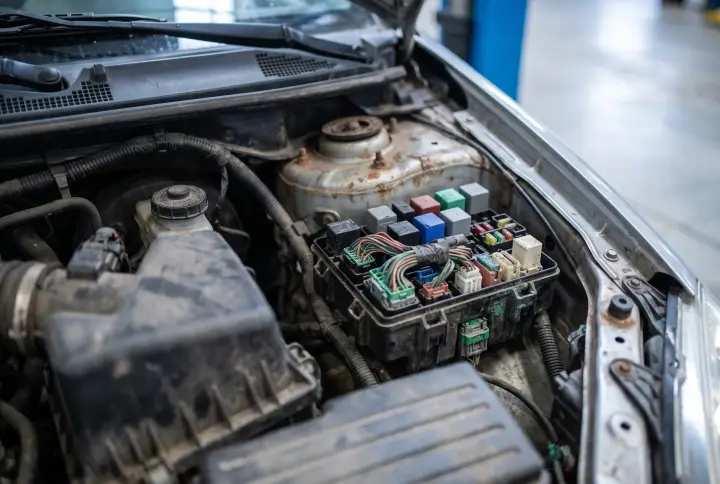
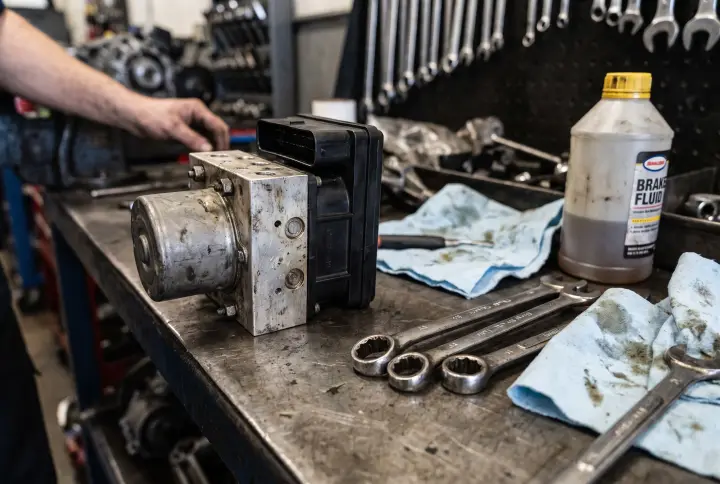
A 2015 Opel Insignia logs a P0869 transmission code, pointing directly at high fluid pressure in the Aisin AF40-6 gearbox. The technician noted a general gearbox fault code, bringing the vehicle in for diagnosis. When the transmission control module flags this specific code, the diagnostic path immediately splits into two distinct directions. The technician must determine if the transmission is physically building too much hydraulic pressure, or if a skewed electrical component is simply reporting a false maximum value.
Isolating the fluid pressure sensor
Our data ranks a defective transmission fluid pressure sensor as the most probable cause for this code, carrying a 45 percent likelihood. The pressure sensor measures the hydraulic line pressure inside the Aisin Warner AF40-6, also known as the TF-80SC. If the sensor suffers an internal electrical failure or a short circuit to the reference voltage, the module will register a maximum pressure value. This happens even if the actual hydraulic pressure inside the case is completely normal.
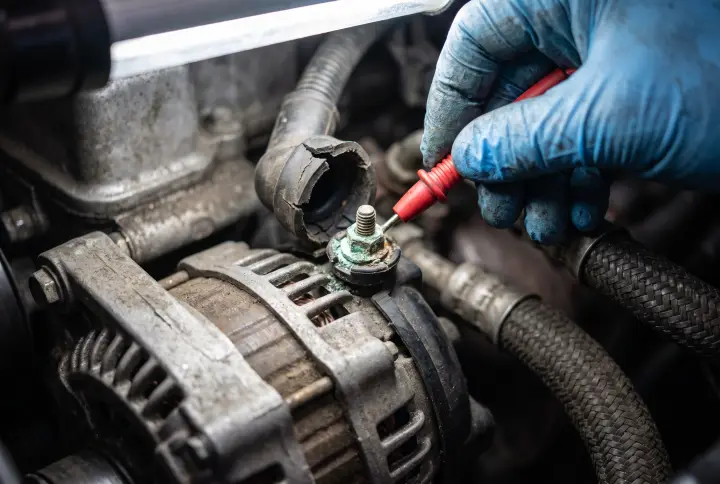
Testing this component requires isolating the sensor data from the physical fluid dynamics. The most efficient first step is to connect a diagnostic tool and observe the live data for the sensor with the ignition on but the engine off. Comparing this actual value against the target value establishes a baseline. Next, the technician should check the signal circuit voltage and the 5V reference using a multimeter. To completely rule out physical pressure issues, connecting a mechanical pressure gauge to the transmission test port allows a direct comparison between the actual line pressure and the value reported on the scan tool.
Evaluating pressure control solenoids
If the sensor and its circuits are reporting accurately, the fault shifts to a genuine overpressure situation. A sticking or defective pressure control solenoid is the second most likely culprit at 25 percent. This solenoid regulates the line pressure inside the valve body via pulse width modulation.
If the solenoid sticks in the closed position or suffers an internal mechanical failure, it loses the ability to drain line pressure when the transmission control module requests a reduction. This creates physically high hydraulic pressure in the system and triggers the P0869 code. Diagnosing this requires active bi-directional control. The technician uses the diagnostic tool to command the solenoid while watching the mechanical pressure gauge for the expected pressure drops. Resistance testing the solenoid coil will also reveal internal electrical degradation.
Mechanical faults within the valve body
Ranking third at 15 percent is a sticking main pressure regulator valve inside the valve body. In these Aisin transmissions, the main pressure regulator valve can stick in its bore due to normal wear, metal shavings, or fluid deposits. When this valve binds in a position that prevents pressure relief, the line pressure will continuously exceed the target value regardless of what the module commands the solenoid to do.
Confirming a valve body issue starts with inspecting the condition of the transmission fluid. The technician must look for particulate matter, metal shavings, and a burnt odor. If the fluid indicates mechanical wear, the next step is to remove the valve body to inspect the movement of the valves. A vacuum test of the valve bores will confirm if wear has created internal leaks that prevent proper pressure regulation.
Verifying circuit integrity
Wiring and connector faults account for 10 percent of these cases. Damage to the wiring harness between the transmission fluid pressure sensor and the control module can easily mimic a failed sensor. The harness can chafe against the engine block or chassis, creating a short circuit to the 5V reference. Oxidized pins or oil intrusion at the connector can cause high resistance in the ground circuit. The module interprets these electrical anomalies as a signal for maximum fluid pressure.
The diagnostic process here relies on a thorough visual inspection of the harness and connectors for oil ingress and mechanical damage. A voltage measurement of the 5V reference and the ground connection at the sensor plug is necessary. Finally, the technician should perform a wiggle test on the harness while monitoring the live data voltage to catch intermittent wiring faults.
Diagnostic starting point
The fastest way to narrow down a P0869 on this transmission is to connect a mechanical fluid pressure gauge and compare its reading to the live data on the scan tool. If the mechanical gauge shows normal pressure but the scan tool shows maximum pressure, the physical transmission components are fine, and the fault lies entirely in the sensor or its wiring.