A 2012 Ford Fiesta VI rolled into a Swedish shop with the check engine light illuminated and a severe lack of power, throwing codes P132B and P2562. The technician noted simply that the engine light was on and the car was completely gutless. The diagnostic platform we build looked at the combination of P132B and P2562 to map out a clear diagnostic path.
The Electronic VNT Actuator
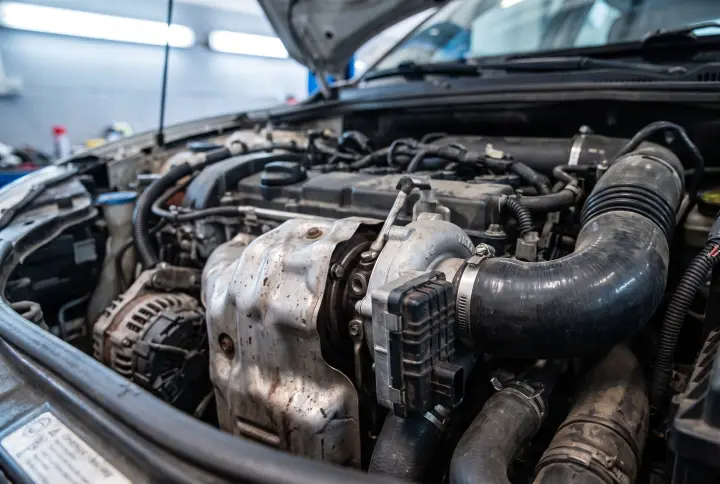
P132B is a performance code triggered when the engine control module cannot achieve the desired boost pressure. P2562 points to an electrical fault or a feedback error from the turbocharger position sensor. On this specific engine, the T3JA, that sensor is integrated into the electronic variable nozzle turbine (VNT) actuator. We ranked a defective electronic VNT actuator as the most likely cause at 90 percent, with a high severity. These actuators are known for internal gear wear or cracked solder joints on their circuit boards. The mechanic had noted replacing a pressure transducer, but it is vital to confirm the electronic actuator was actually swapped, as this engine does not use a vacuum-controlled component. The suggested tests were straightforward: visually inspect the actuator and linkage, command the VNT actuator with a diagnostic tool, and measure the voltage supply and ground.
Sticking Turbine Vanes
Ranked just behind at 80 percent was a mechanical failure: sticking variable turbine vanes. Soot buildup in the turbine housing restricts the VNT mechanism from adjusting the boost pressure correctly. The actuator fights against the mechanical resistance, which triggers the position sensor code (P2562) while failing to meet boost targets (P132B). Even with a perfectly functioning electrical actuator, blocked vanes will present the exact same symptoms. We advised a manual check of the VNT linkage movement and a visual inspection of the turbine vanes.
Wiring and System Leaks
If the actuator and vanes check out, the diagnostic path moves to the wiring harness. We gave a 70 percent probability to damaged wiring or corroded connectors. The heat and vibration near the turbocharger easily cause short circuits, open circuits, or high resistance between the engine control module and the actuator. A visual check and continuity testing isolate this quickly. Finally, at 60 percent, we flagged intake or exhaust system leaks. A split intercooler hose or a pre-turbo exhaust leak drops boost pressure, logging P132B. While P2562 suggests an electrical issue, a massive pressure drop can mask the electronic regulation efforts. A smoke test of the intake system confirms this.
Next Steps
Replacing parts based on a single code often leads to chasing ghosts. By looking at both codes together, the diagnostic path points directly to the VNT mechanism and its electrical controls. Have you seen this specific actuator failure on the Fiesta, or do you find soot buildup to be the usual culprit in your bays?