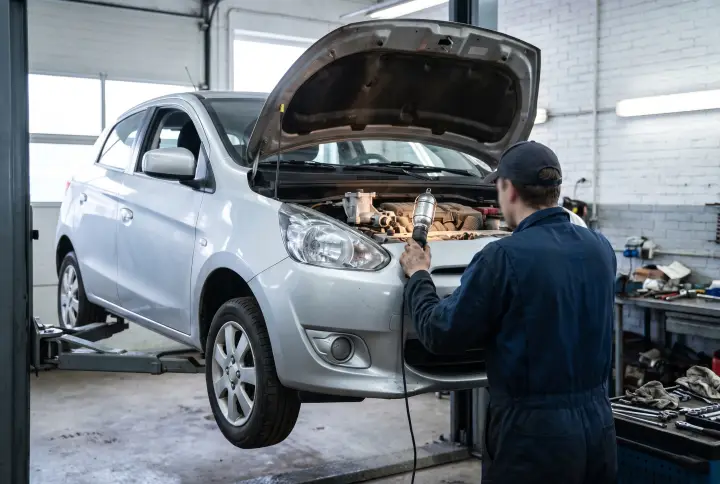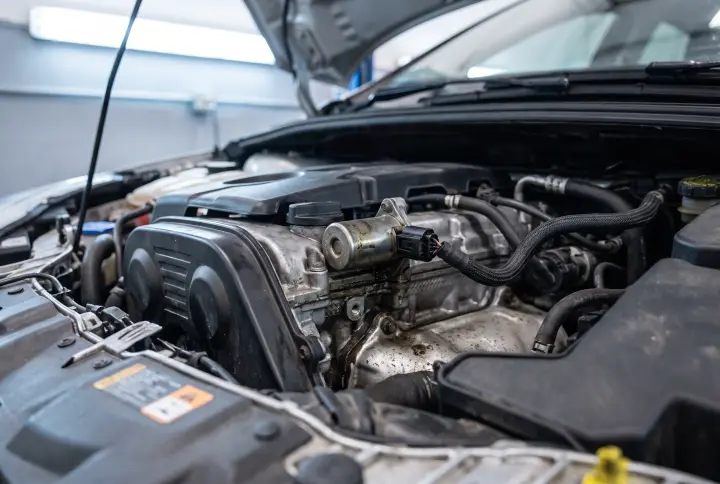
A 2014 Suzuki Swift recently rolled into a workshop with a severe lack of power and two timing codes, P0011 and P0014, pointing at an over-advanced camshaft. The technician working on the car noted the customer complaint simply as a failure to pull properly under load. When a vehicle presents with both intake and exhaust timing codes simultaneously, it is easy to assume a catastrophic mechanical failure. However, the diagnostic platform we build analyzed this specific combination and ranked the actual root causes in a very specific order. The results show exactly why you should never jump straight to a teardown.
The crucial role of oil pressure in the K12B engine
The variable valve timing system on the K12B engine relies entirely on hydraulic pressure to function. Our system ranked oil condition as the most likely culprit at 90 percent, with a high severity warning. The system needs clean motor oil at the correct viscosity and sufficient pressure to actuate the camshaft phasers.
When the oil level drops too low, or if the wrong oil is used, the hydraulic pressure falls below the threshold required for the system to operate. Furthermore, sludge and debris can easily clog the oil passages and the screens protecting the variable valve timing system. When this happens, the system cannot precisely control the intake and exhaust camshaft phasers. The phasers end up stuck in an over-advanced position, which immediately triggers P0011 for the intake side and P0014 for the exhaust side. The first diagnostic step here is not electronic. You must physically check the engine oil level, verify the oil condition, and perform a comprehensive oil pressure test.
Inspecting the oil control valves for restriction
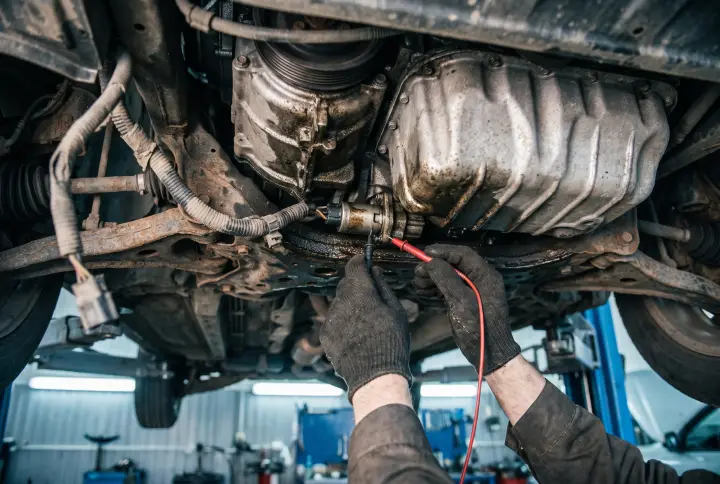
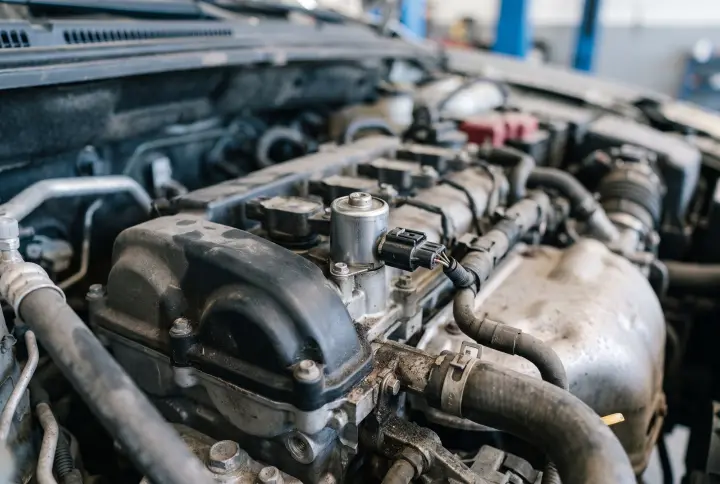
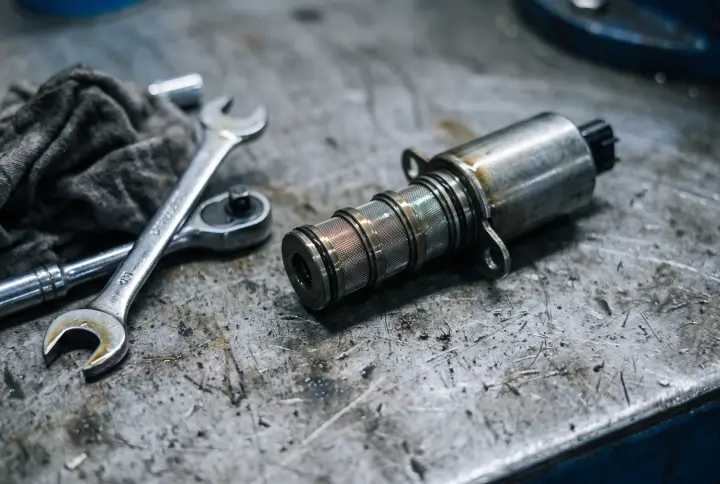
If the oil level and pressure test normal, the focus shifts to the components directing that oil. We ranked jammed or faulty oil control valves as the second most likely cause at 85 percent probability. These valves regulate the flow of oil to the camshaft phasers. They are the gatekeepers of the entire variable valve timing system.
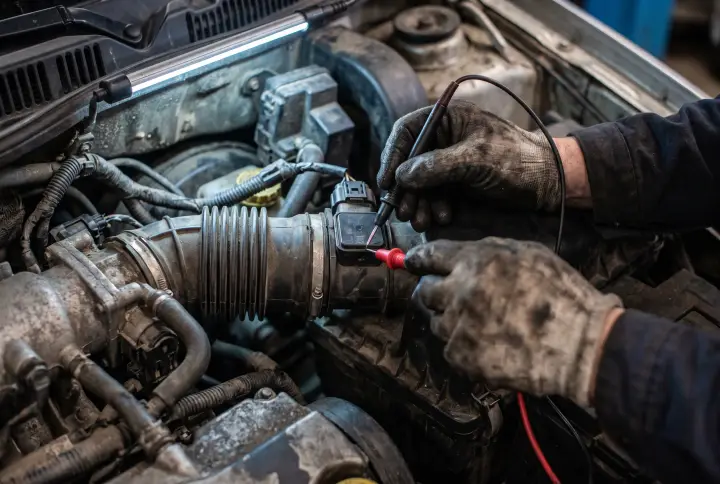
These valves can fail in a few ways. They can jam due to dirt, internal wear, or an electrical failure. When they jam, they fail to regulate the oil pressure accurately. Because both P0011 and P0014 are present, it is highly probable that both control valves are affected by a systemic issue rather than an isolated component failure. The tiny screen filters on these valves are particularly vulnerable to clogging. Diagnosing this requires a visual inspection and a thorough cleaning of the valves. You should also perform an electrical resistance test and an actuation test using live data to ensure the solenoids are actually moving when commanded.
Assessing the timing chain and tensioner
Only after ruling out fluid and control valve issues should you look at the heavy mechanical components. A stretched timing chain or a failing chain tensioner came in at an 80 percent probability. This is a high severity issue because ignoring it can lead to severe engine damage.
When a timing chain stretches, the camshafts lose their physical synchronization with the crankshaft. The engine control unit monitors this relationship closely. When the actual position of the camshafts falls outside the expected parameter, the computer interprets this deviation as an over-advanced position. A faulty tensioner produces the exact same symptom by allowing chain slack and timing slip. The testing procedure here requires removing the necessary covers to visually inspect the extension of the timing chain tensioner and verifying the synchronization of the camshaft and crankshaft timing marks.
Internal wear of the camshaft phasers
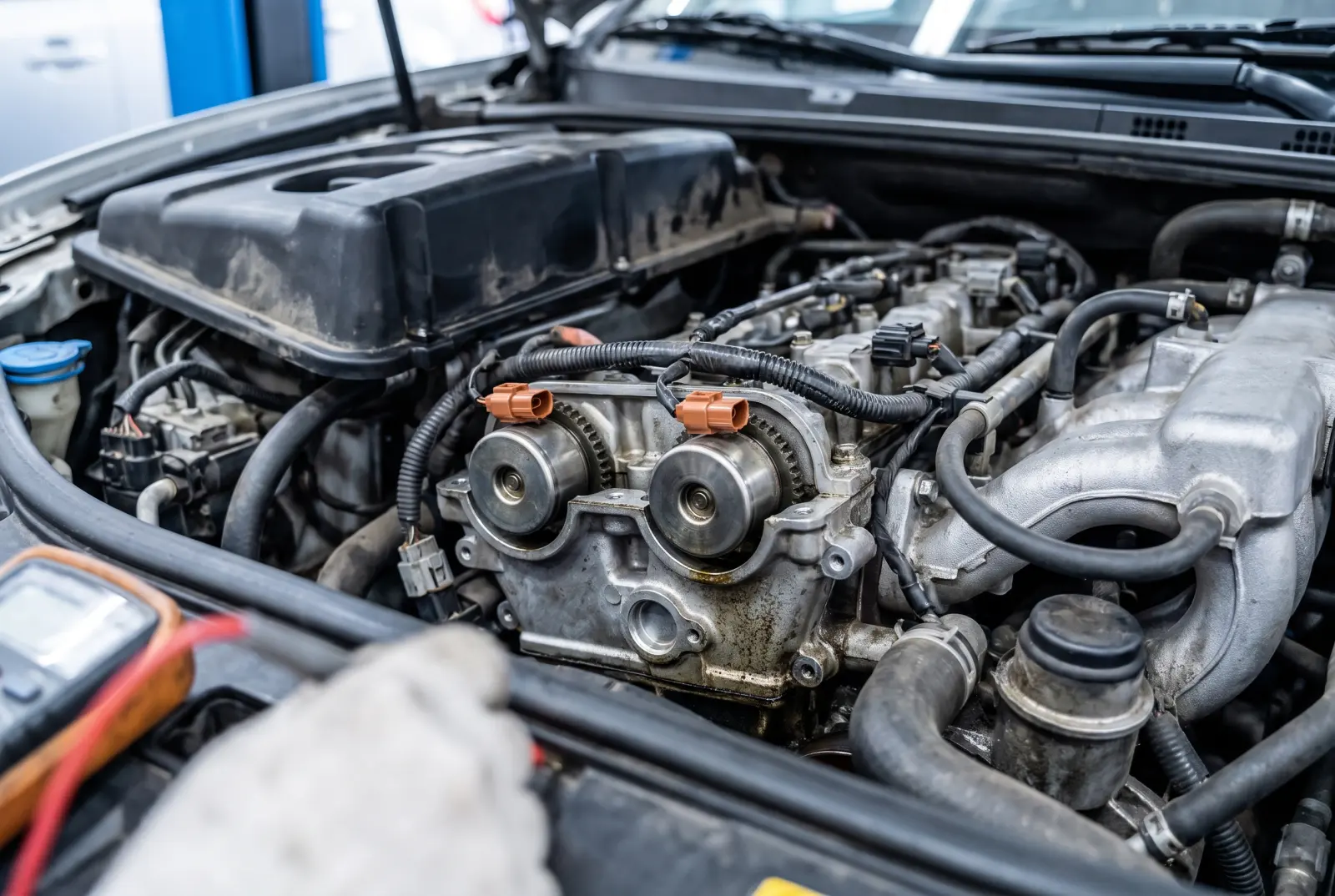
The final primary suspect is the mechanical camshaft phasers themselves, ranked at 70 percent probability. These are the physical actuators bolted to the camshafts. Internal wear, heavy sludge buildup, or mechanical damage can cause these phasers to bind internally.
If a phaser binds, it cannot move the camshaft to the position requested by the engine control unit, even if the oil control valves are sending perfect hydraulic pressure. The camshaft stays locked in an advanced state. Because both the intake and exhaust codes appeared together, a systemic wear issue or a severe lack of maintenance is usually to blame. A strong indicator of this failure mode is an audible rattling noise coming from the top end of the engine. Technicians should listen carefully for this rattle and analyze the live data for camshaft position to confirm if the phasers are responding to commands.
Structuring the diagnostic path
This sequence highlights exactly how you should approach dual timing codes on modern hydraulically actuated systems. Start with the fluid that makes the system work, move to the valves that control the fluid, and only then evaluate the heavy mechanical components.