A 2015 BMW X5 (F15, F85) arrived in the bay with a specific complaint: a shudder when the automatic transmission shifts into second gear. Despite the transmission-related symptom, the control unit had logged three distinct engine fault codes: P0300, P0171, and P0128.
The distraction of the transmission symptom
When a customer reports that a vehicle trembles exactly when the automatic gearbox selects second gear, the instinct is to look at the transmission itself. You might suspect a worn clutch pack, a sticking solenoid in the mechatronic unit, or degraded transmission fluid. The physical sensation of a misfire under a specific load often mimics a harsh or shuddering gear change. In this BMW, the logged codes pulled the diagnostic path away from the drivetrain and directly into the engine bay. The combination of a random misfire, a lean running condition, and a cooling system fault required looking at how the B47 diesel engine was operating under the load of that second-gear shift.
Tracing the thermostat failure
The diagnostic engine ranked a thermostat stuck in the open position as the most likely underlying issue, giving it a 95 percent probability based on the presence of P0128. This code indicates the engine cannot reach or maintain its optimal operating temperature. On the B47 engine, a thermostat failing open is a frequent fault. While a cold engine does not directly cause a lean code or a misfire, it prevents the engine management system from entering its optimal strategies. Furthermore, running below operating temperature stops the diesel particulate filter from executing its regeneration cycles.
To confirm this fault, the immediate diagnostic step is to monitor the coolant temperature via live data while driving. A visual inspection of the thermostat housing can also reveal signs of physical failure, though the live data provides the definitive proof of a stuck-open condition.
Connecting unmetered air to the shudder
With the engine running cold, the management system is already compensating, but the P0171 and P0300 codes point to a more immediate cause for the shudder. The analysis assigned a 90 percent probability to an unmetered air leak in the intake system. Any air entering the system after the mass air flow sensor creates a lean condition. On a diesel engine, this disrupts the combustion process heavily, leading to instability that the control module registers as a random misfire.
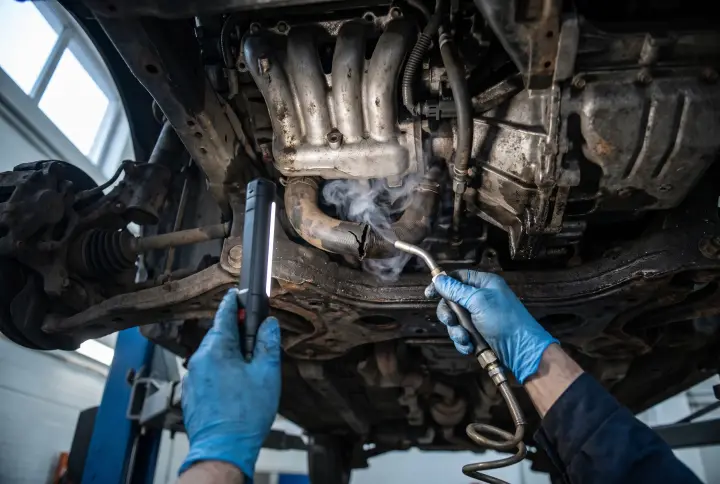
Under the specific torque demand of shifting into second gear, this combustion instability becomes physically noticeable to the driver as a shudder. Common culprits on the B47 include cracked boost hoses, damaged intake boots, or failing intake manifold gaskets. A smoke test of the intake system is the fastest way to pinpoint the leak, alongside a thorough visual inspection of all rubber and plastic fittings under the hood.
Ruling out fuel delivery and injection
If the intake tract holds pressure, the diagnostic path shifts to fuel delivery. A low-pressure fuel delivery issue or a clogged filter was ranked at an 80 percent probability. The common rail system on this BMW requires precise fuel pressure. If the low-pressure pump is failing or the filter is heavily contaminated, the high-pressure pump cannot deliver the required volume to the injectors. This starves the engine, triggering both the lean and misfire codes. Testing requires a physical check of the low-pressure fuel circuit and an inspection of the filter element.
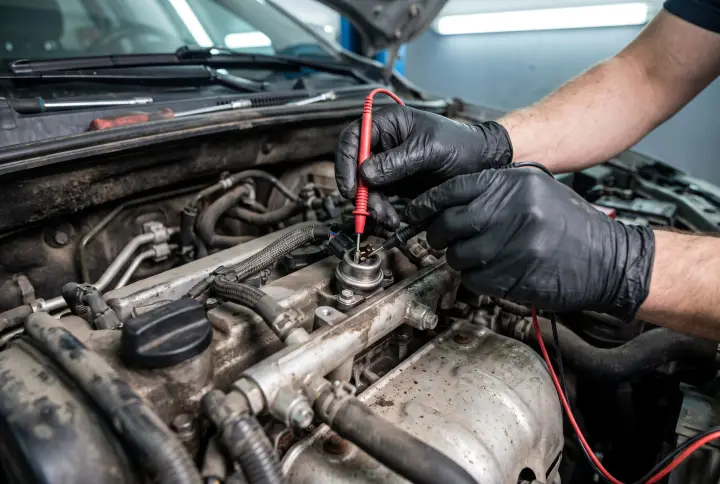
At a 70 percent probability, the injectors themselves become the suspect. Defective, dirty, or worn piezo or solenoid injectors fail to atomize the diesel fuel correctly. This poor atomization leads directly to misfires and can skew the oxygen readings to suggest a lean mix. The diagnostic procedure here involves reading the smooth running values through the diagnostic tool to identify underperforming cylinders, followed by a physical leak-off test to measure injector return volume.
Next steps in the bay
Before dropping a transmission pan for a shift shudder, read the engine module and verify the intake integrity. A smoke test and a live data run for coolant temperature take very little time and often prevent a costly misdiagnosis.