A 2006 SAAB 9-5 logged a P0404 code for EGR system performance, kicking off a diagnostic path through the Trionic engine management system. The platform flagged mechanical binding as the primary suspect, driven by sticky deposits rather than standard dry soot.
Mechanical Binding and Valve Speed
Our diagnostic engine ranked a binding or soot-coated EGR valve mechanism at 75 percent likelihood. On these engines, the combination of moisture and crankcase gases can create sticky deposits around the valve seat and spindle. The P0404 code triggers when the engine control unit detects that the valve movement is too slow. Specifically, the code sets if the actual position deviates from the target by more than 15 to 20 percent, or if the valve fails to reach its closed position within approximately 180 milliseconds.
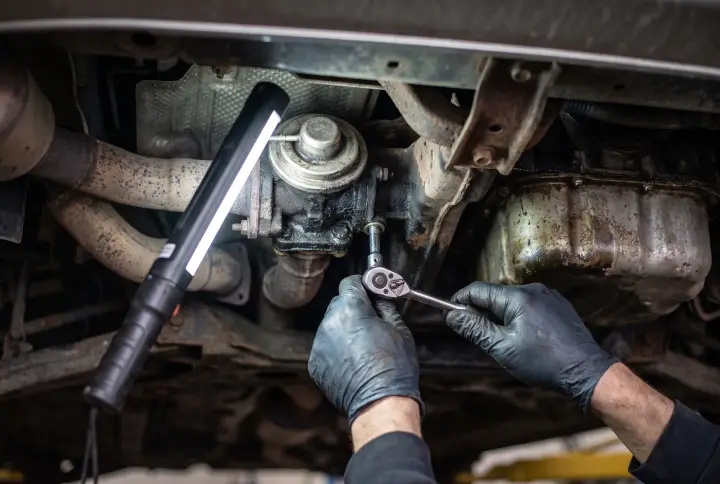
The recommended first step is to use a diagnostic tool to command the valve and compare the target position against the actual position. If the electronic response lags, technicians should remove the valve to physically inspect the spindle for restricted movement. A borescope inspection of the intake manifold channels will confirm if heavy coking is present.
Sensor and Actuator Degradation
Ranked next at 60 percent was an internal failure of the EGR actuator or its integrated position sensor. The EGR unit contains an electric motor or solenoid paired with a potentiometer or Hall effect sensor. The internal carbon track of the potentiometer can wear out, creating dead zones or voltage spikes in the analog signal sent back to the Trionic controller. Radiant heat can also degrade the internal drive gears or electrical windings.
To test this, technicians need to monitor the signal voltage in real time while the valve is moving. The goal is to catch any sudden dropouts or spikes in the data stream. An active actuator test will verify the component's response and current consumption.
Wiring Integrity Under the Hood
An 18-year-old engine bay subjects wiring to severe heat and constant vibration. The platform assigned a 45 percent probability to wiring faults. Chafed wires near the intake manifold or lift eye, oxidation in the connector terminals, or terminal spread can introduce unwanted resistance. Because P0404 is a range and performance code, just a few extra ohms in the ground or signal line can alter the 5-volt reference and cause the controller to flag the circuit.
Diagnostics here require a thorough physical inspection of the connector pins for moisture and expanded female terminals. A wiggle test on the harness while watching live data will expose intermittent opens or shorts.
The MAP Sensor Connection
Finally, the system ranked MAP sensor signal deviation at 35 percent. The Trionic 7 engine management system relies on the MAP sensor on the intake plenum to monitor pressure changes during the EGR self-diagnostic cycle. The controller correlates the commanded EGR valve angle with the expected shift in intake pressure. If the MAP sensor has an offset error or its measurement port is clogged with oil and soot, the reported pressure will not match the expected gas dynamic model. The controller then blames the EGR system and logs P0404.
Verifying the MAP sensor involves checking its signal with the ignition on and engine off, comparing the reading to atmospheric pressure. Technicians should also inspect the sensor port for blockages and log the MAP values during a test drive under varying loads.
Diagnostic Takeaways
For a P0404 on this vehicle, begin by comparing the commanded EGR position to the actual position data. A slow response confirms a mechanical or internal electrical issue at the valve itself. If the valve tracks perfectly, shift focus to the wiring harness and the MAP sensor to ensure the Trionic system is receiving accurate feedback from the rest of the engine bay.
Reference pages for the codes in this article
- P0404: what we measure for this code across real diagnostics