A 2010 SEAT Alhambra arrived with an AdBlue warning on the dash and a P20EE00 fault code stored in the engine control module. The workshop had already replaced a NOx sensor, but the fault returned almost immediately.
The AdBlue Dosing Valve
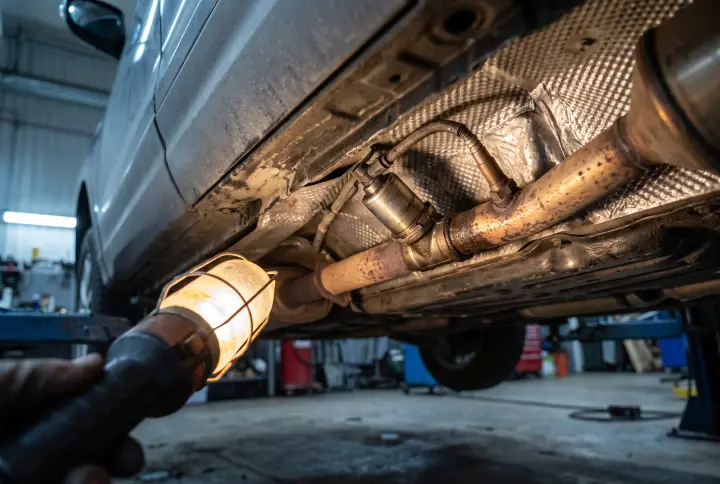
Our diagnostic platform ranked a clogged or crystallized AdBlue dosing valve (N474) as the highest probability cause, at 85 percent. This is a known issue on VAG 2.0 TDI engines, including the CFGC engine found in this SEAT. Urea crystallizes around the nozzle, which partially or fully blocks the spray. When this happens, the catalytic converter does not receive enough ammonia to reduce the nitrogen oxides. The rear NOx sensor then detects high residual NOx levels, triggering the P20EE00 code even if the sensor itself is brand new.
The correct diagnostic path here is to remove the N474 valve and physically inspect it for urea crystals. A quantitative actuator test into a measuring glass will confirm the delivery volume. If blocked, cleaning the valve with warm deionized water usually restores the correct spray pattern.
Software Adaptations After Sensor Replacement
The second most likely cause, ranked at 80 percent, was a missing basic setting and reset of the SCR adaptations. The technician noted that a NOx sensor had just been replaced. On these systems, swapping the sensor and clearing the fault codes is not a complete repair. The engine control module (ECM/J623) retains the dynamic adaptation values, operating factors, and efficiency bias of the old sensor.
If these values are not reset, the ECM continues to calculate using the old deviation parameters. As soon as the SCR monitoring drive cycle begins, the system flags poor catalyst efficiency and sets P20EE00 again. The fix requires running the specific service functions to reset the SCR adaptation values and learn the new NOx sensor, followed by a 20 to 30 minute verification drive at highway speeds with exhaust temperatures above 250 degrees Celsius.
Fluid Quality and Upstream Sensors
Two other factors often keep this code active. Fluid quality is a common culprit. The SCR system expects AdBlue that meets the ISO 22241 standard with a 32.5 percent urea saturation. Aged or diluted fluid loses its chemical reduction capacity. Measuring the fluid with a digital refractometer is a fast way to rule this out.
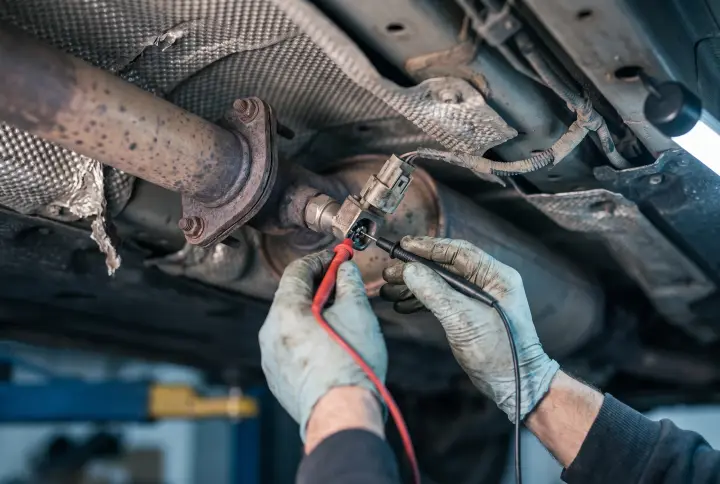
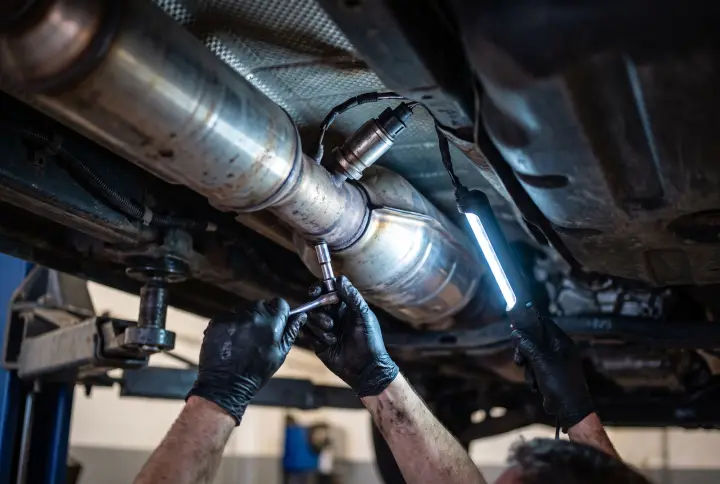
Additionally, the SEAT Alhambra 2.0 TDI uses two NOx sensors. While the rear sensor (G295) is usually the one replaced for a P20EE00 code, a failing front sensor (G475) can cause the ECM to calculate a low conversion rate. Logging live data for both sensors simultaneously during a test drive helps verify if the front sensor is drifting. It is also worth verifying that the replacement sensor is a genuine OEM part, as aftermarket sensors often suffer from slow response times or incorrect calibration.
Key Takeaways for VAG SCR Faults
When dealing with a persistent P20EE00 code on a 2.0 TDI, replacing the NOx sensor is only half the job. Always perform the software resets and adaptations for the new sensor before returning the vehicle to the customer. If the code returns after the adaptations are correct, inspect the dosing valve for crystallization and verify the urea concentration in the tank.
Reference pages for the codes in this article
- P20EE: what we measure for this code across real diagnostics